Call/WhatsApp: 075917 87521• [email protected] • Dorset + South Coast
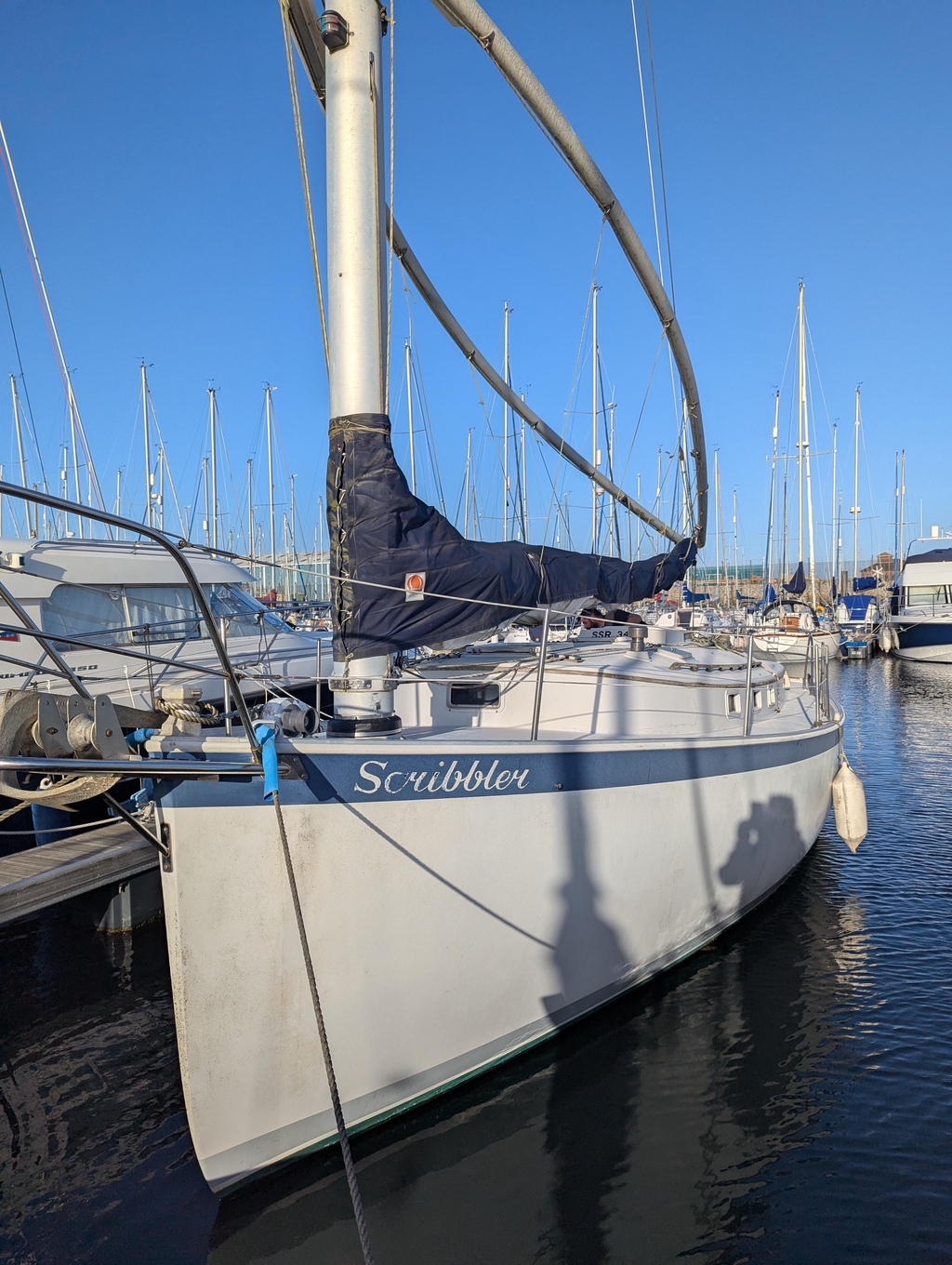
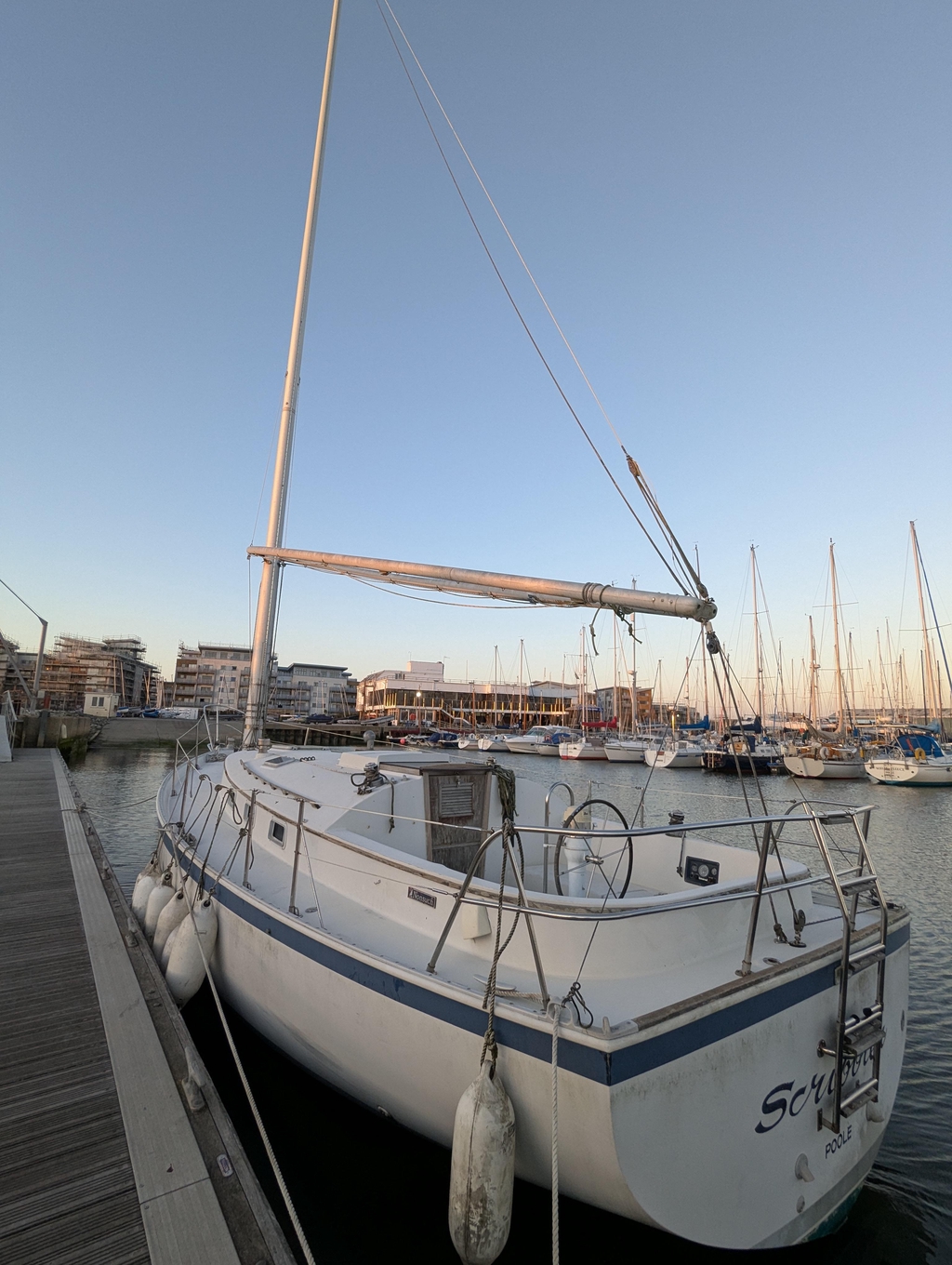
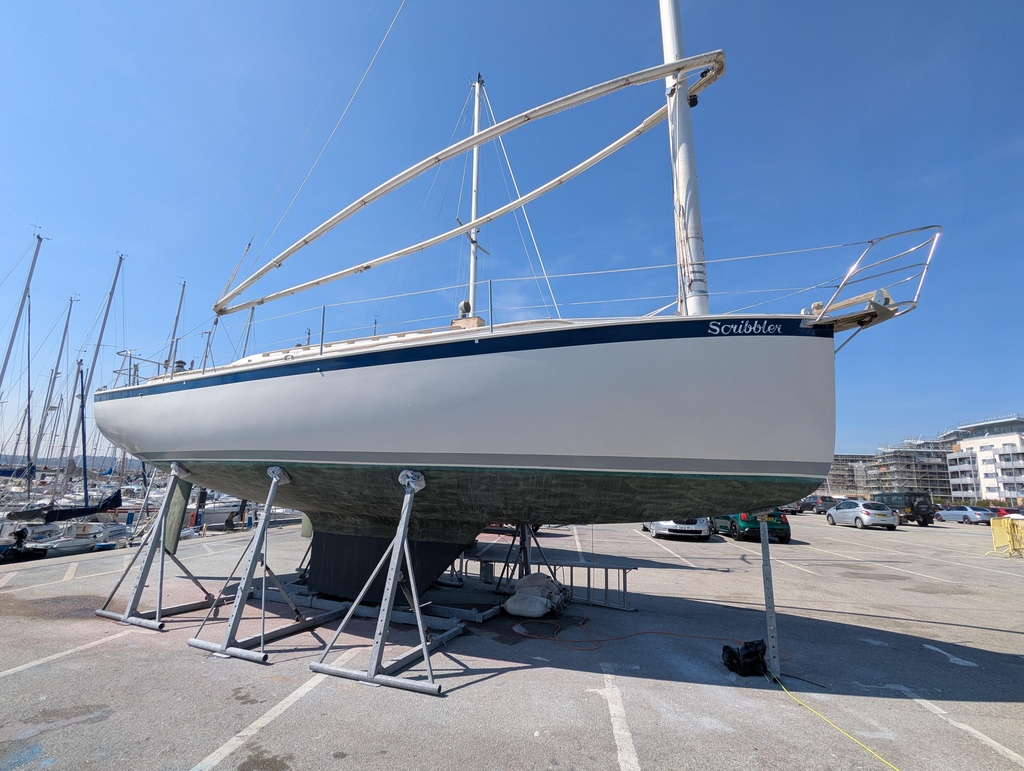
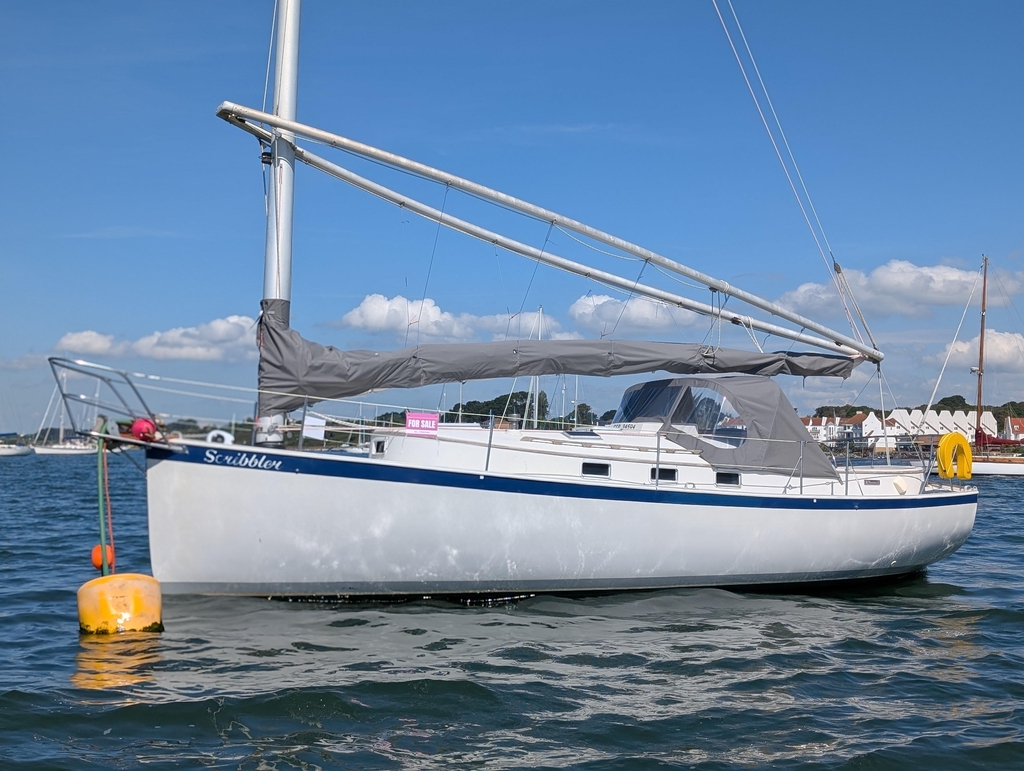
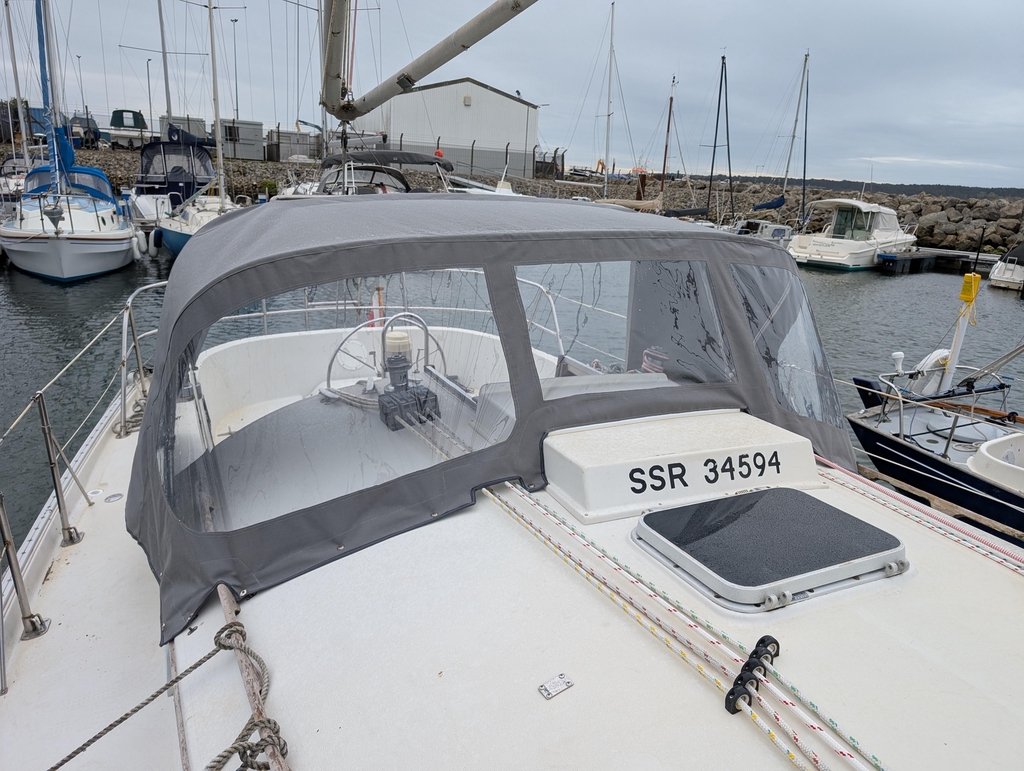
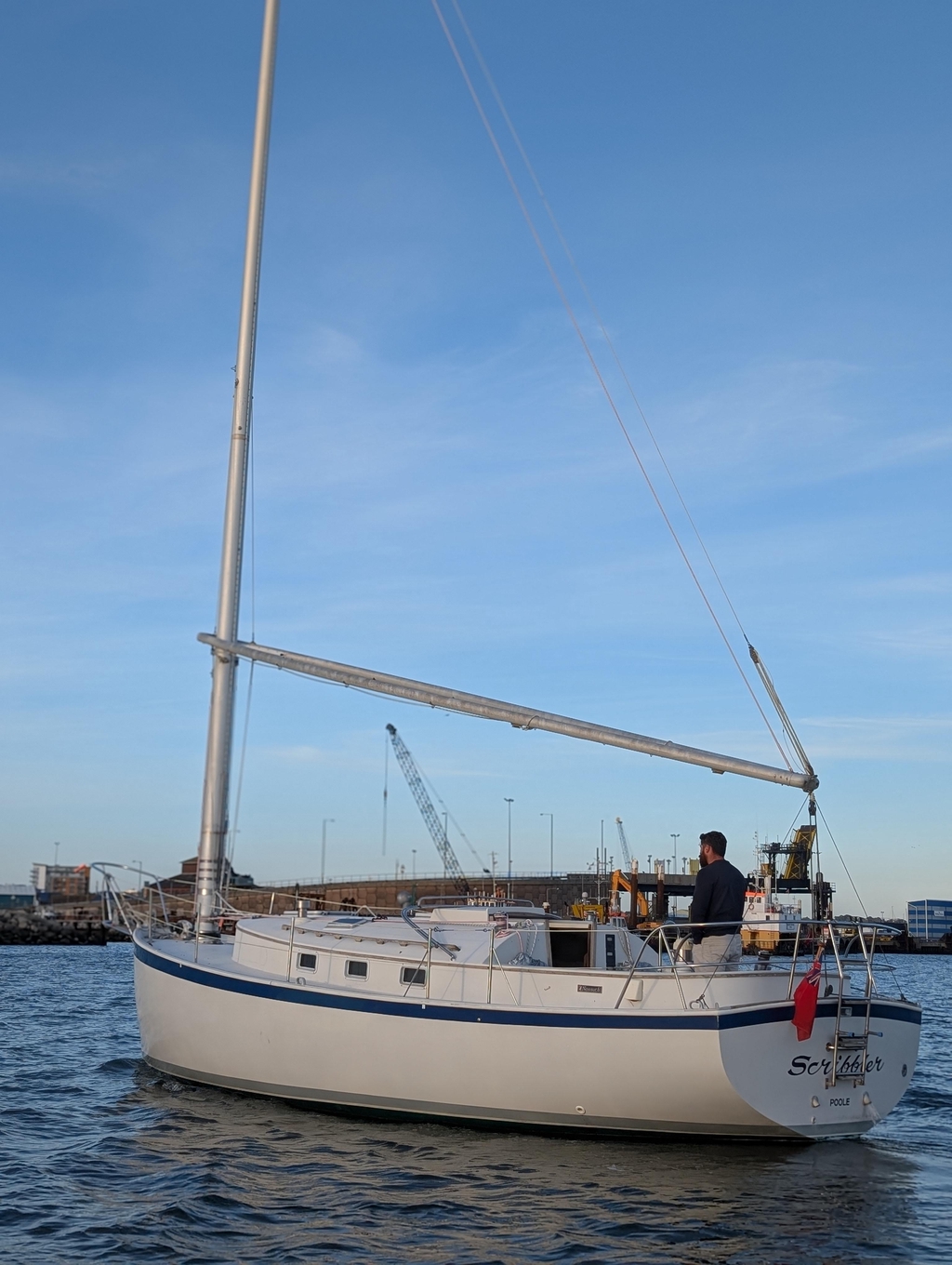
Back in April 2025, we took on the Scribbler project — a Canadian Nonsuch 30 Ultra that had been sitting quietly in the marina for around six years due to the previous owner’s ill health. With berthing renewal looming and increasing pressure from the local sailing club to move the boat on, after offering to help sell her for free, the owner approached us with an offer we simply couldn’t refuse.
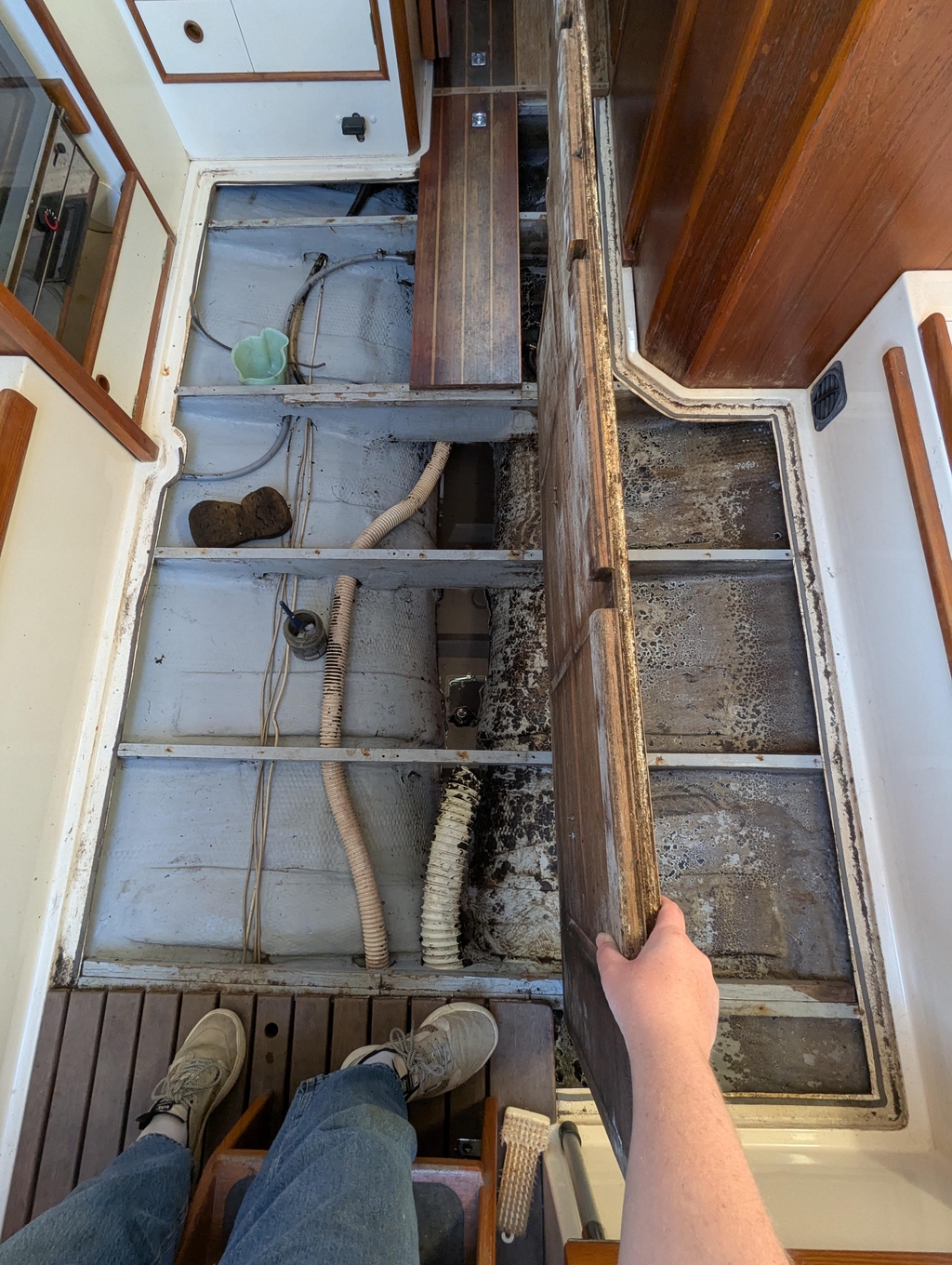
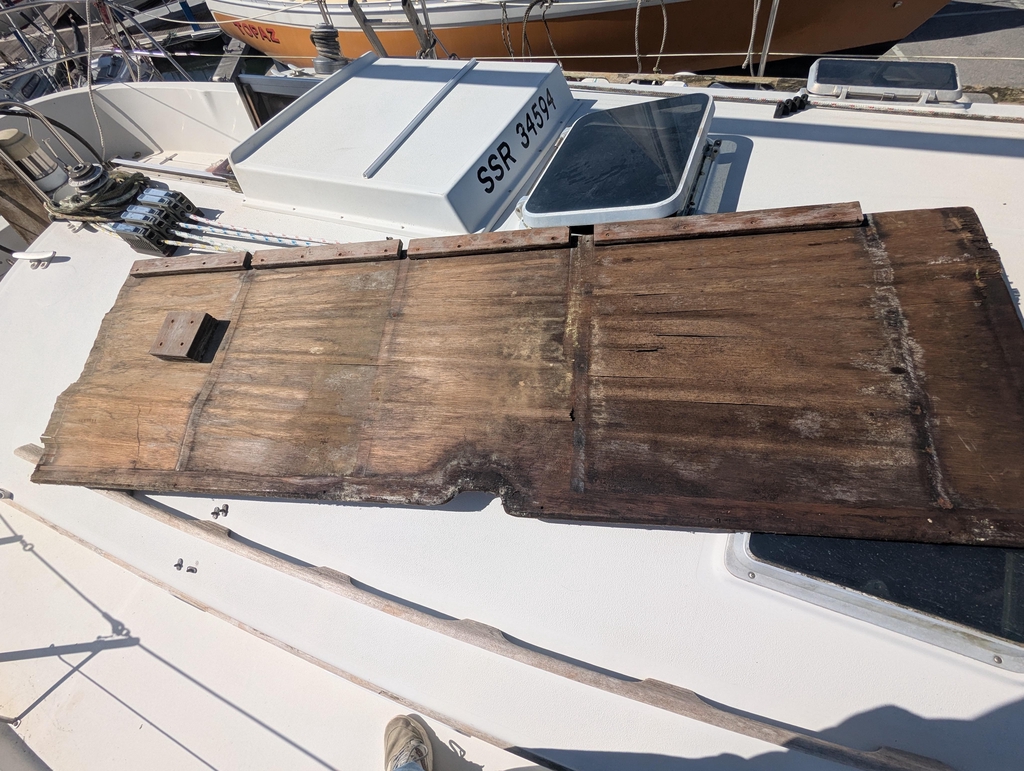
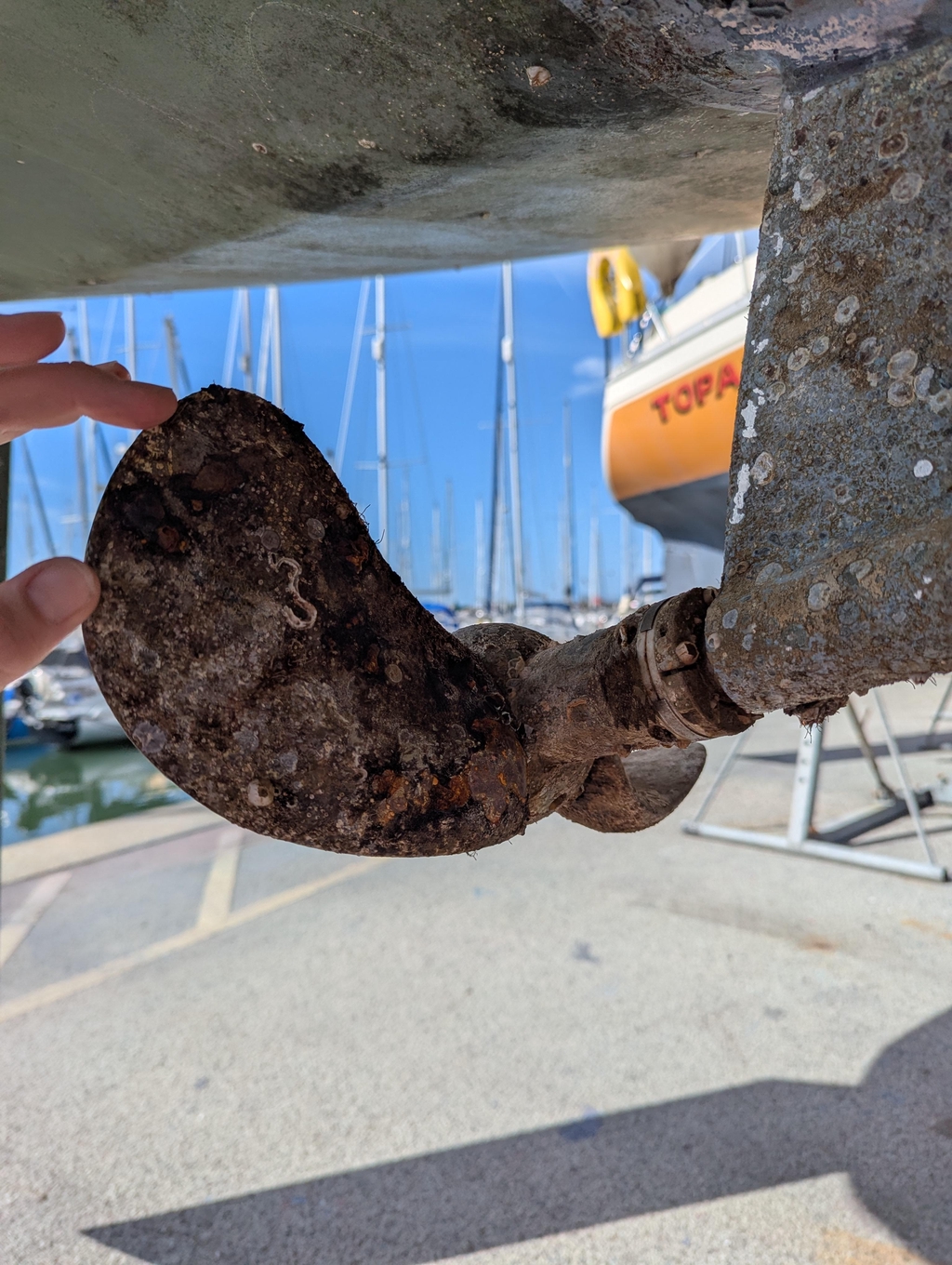
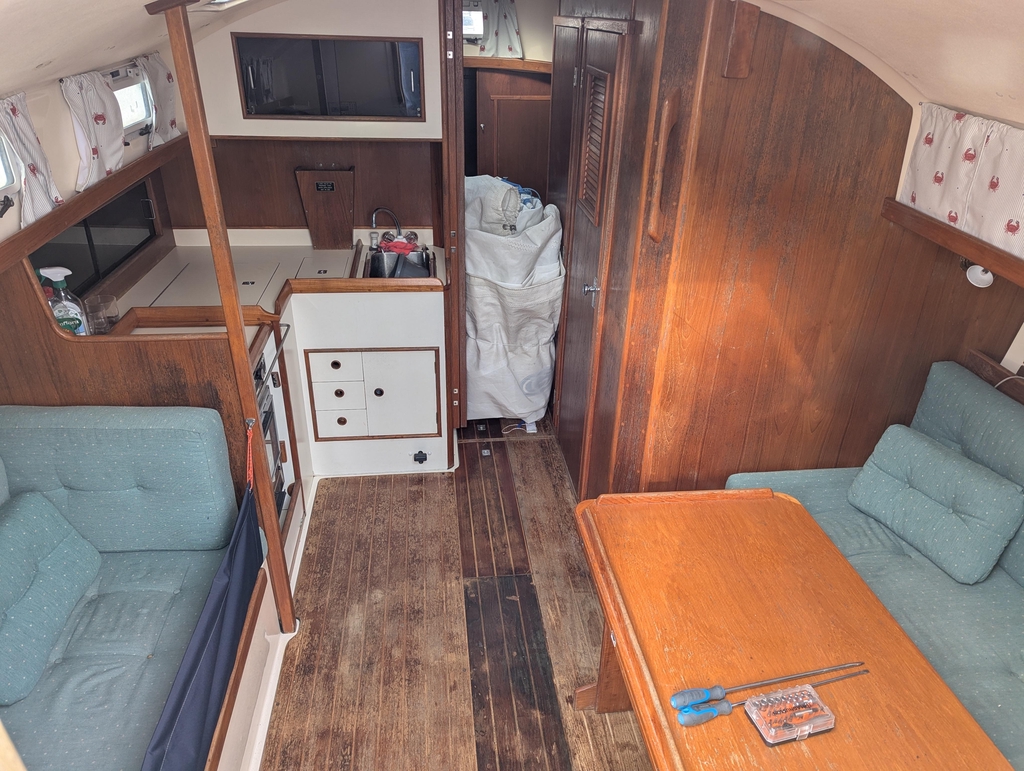
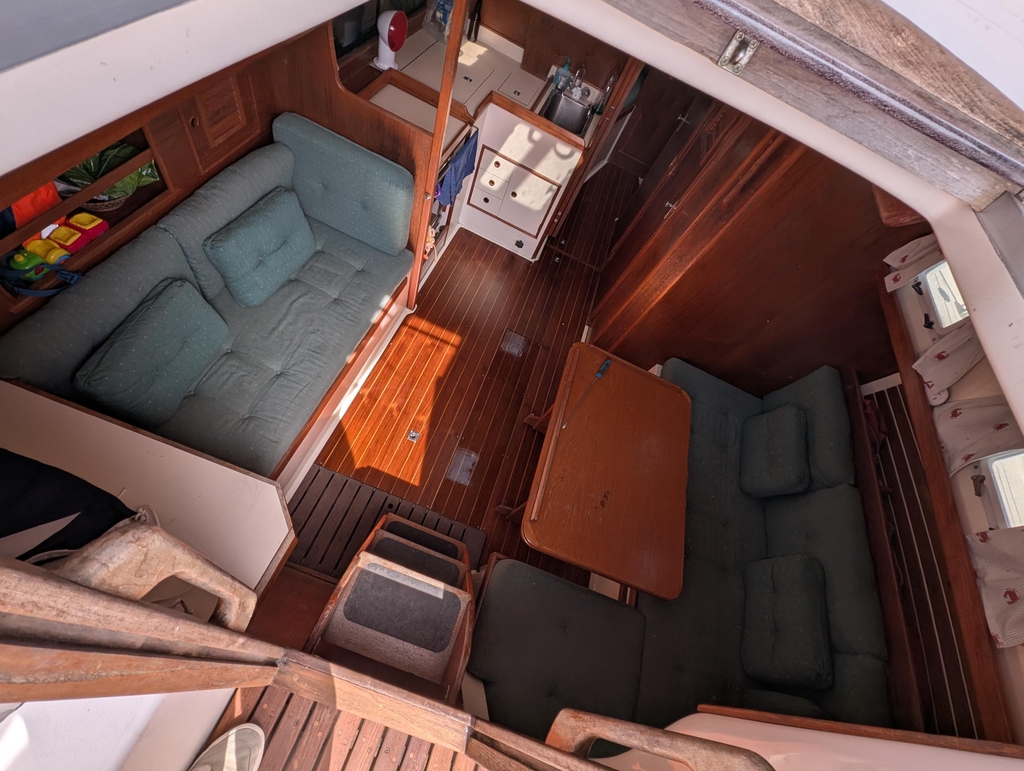
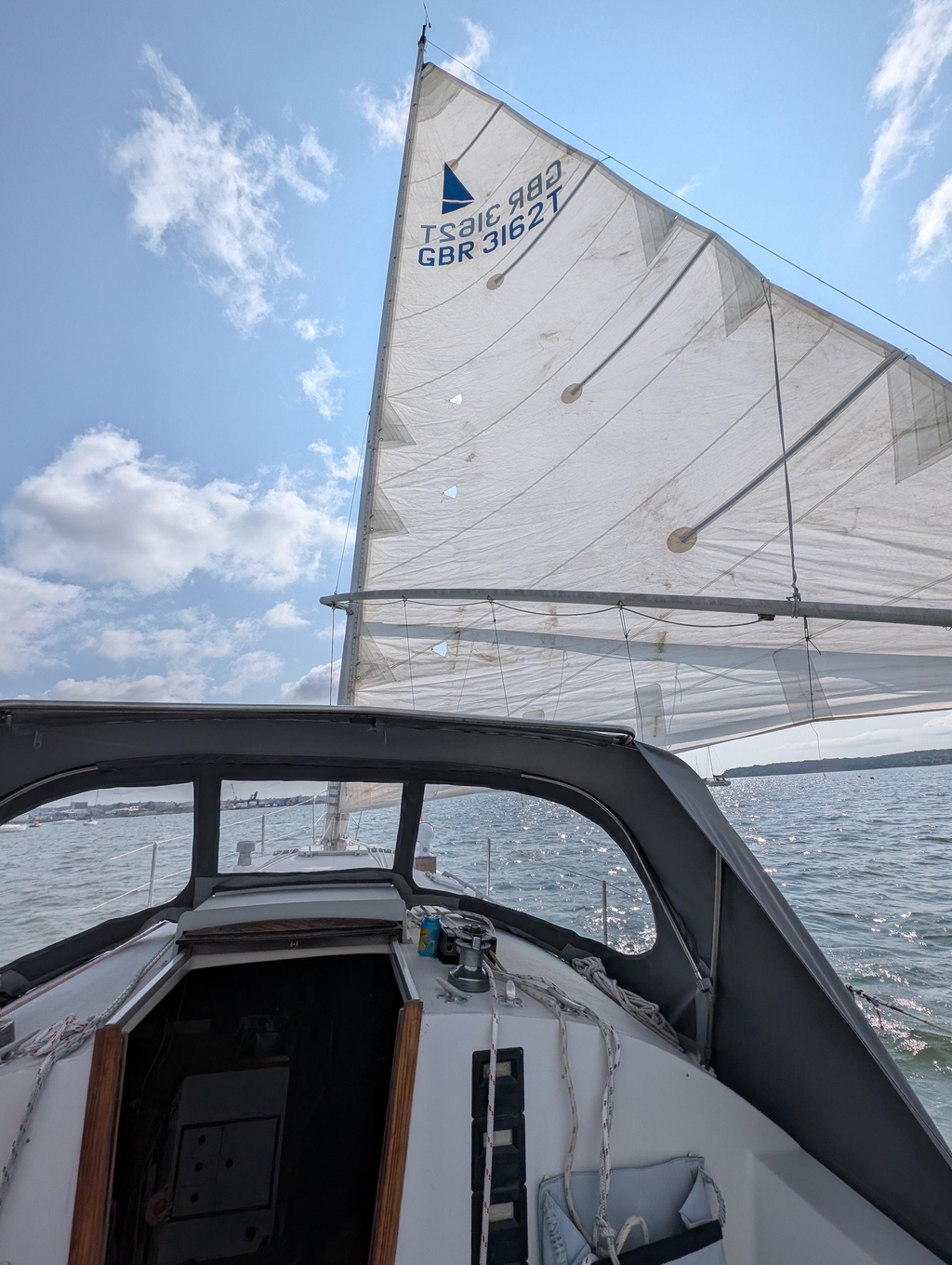
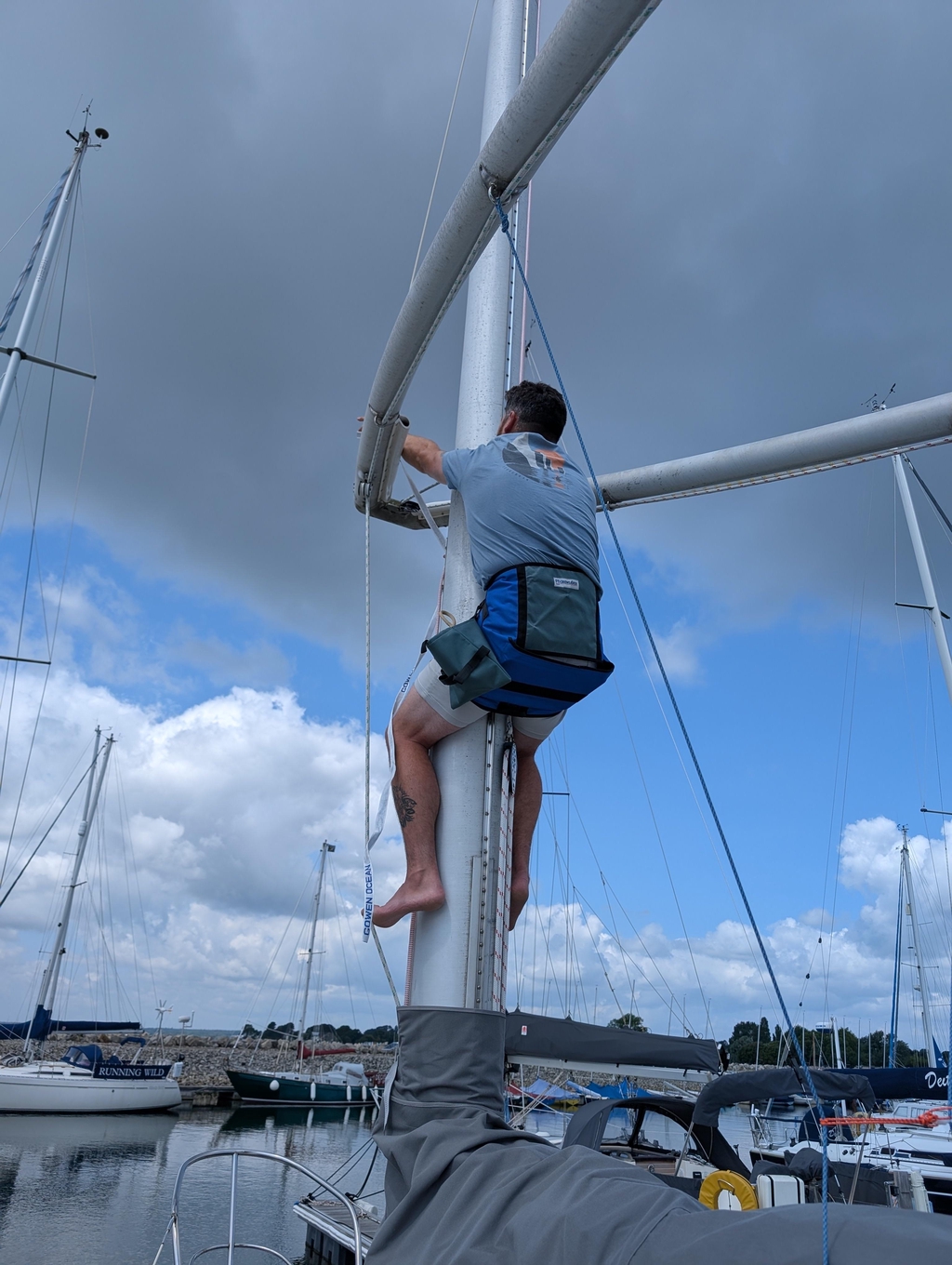
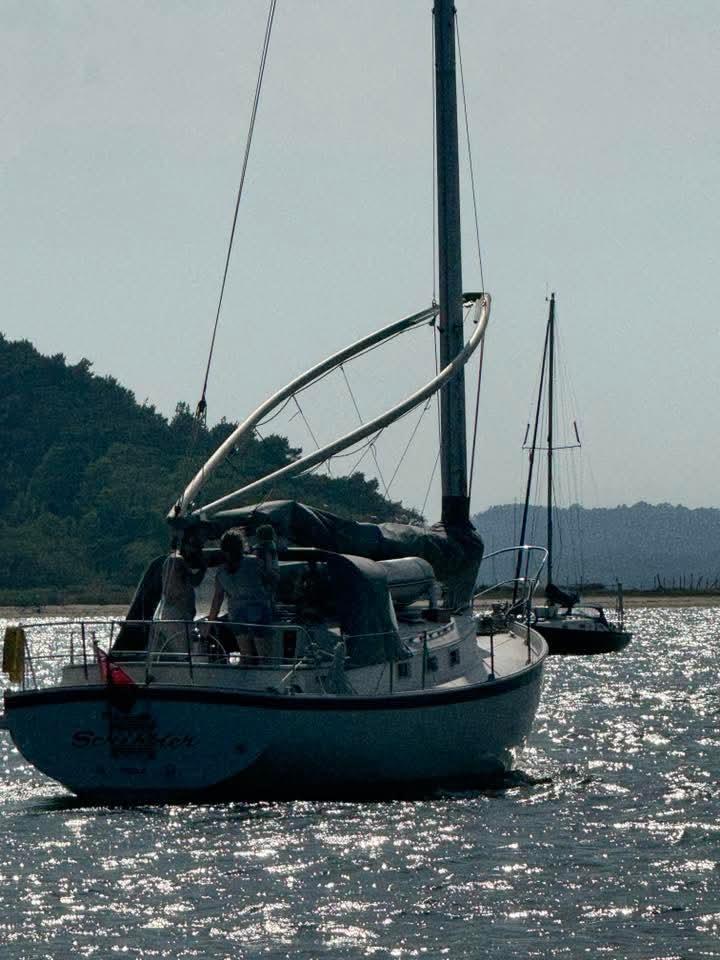
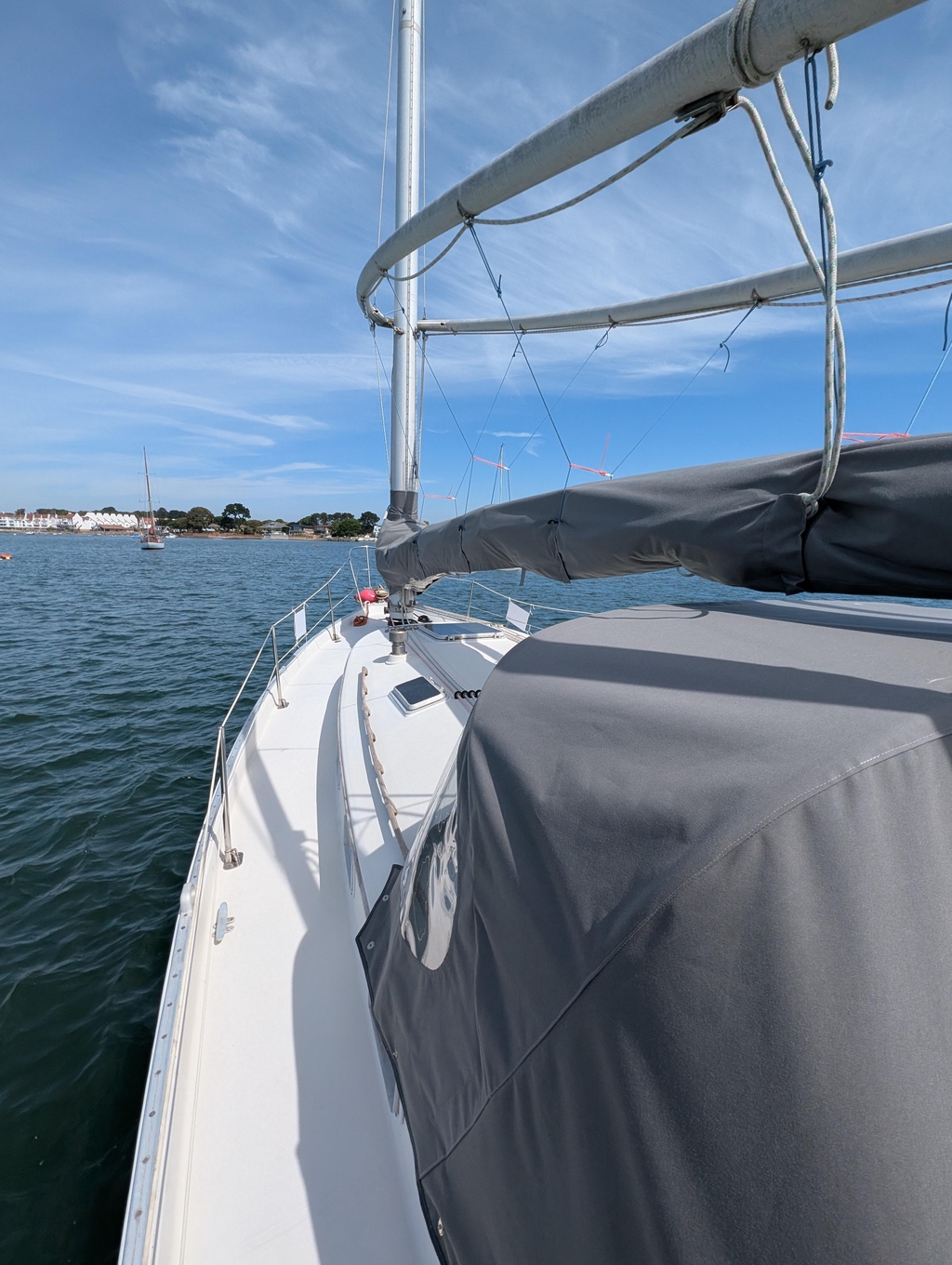
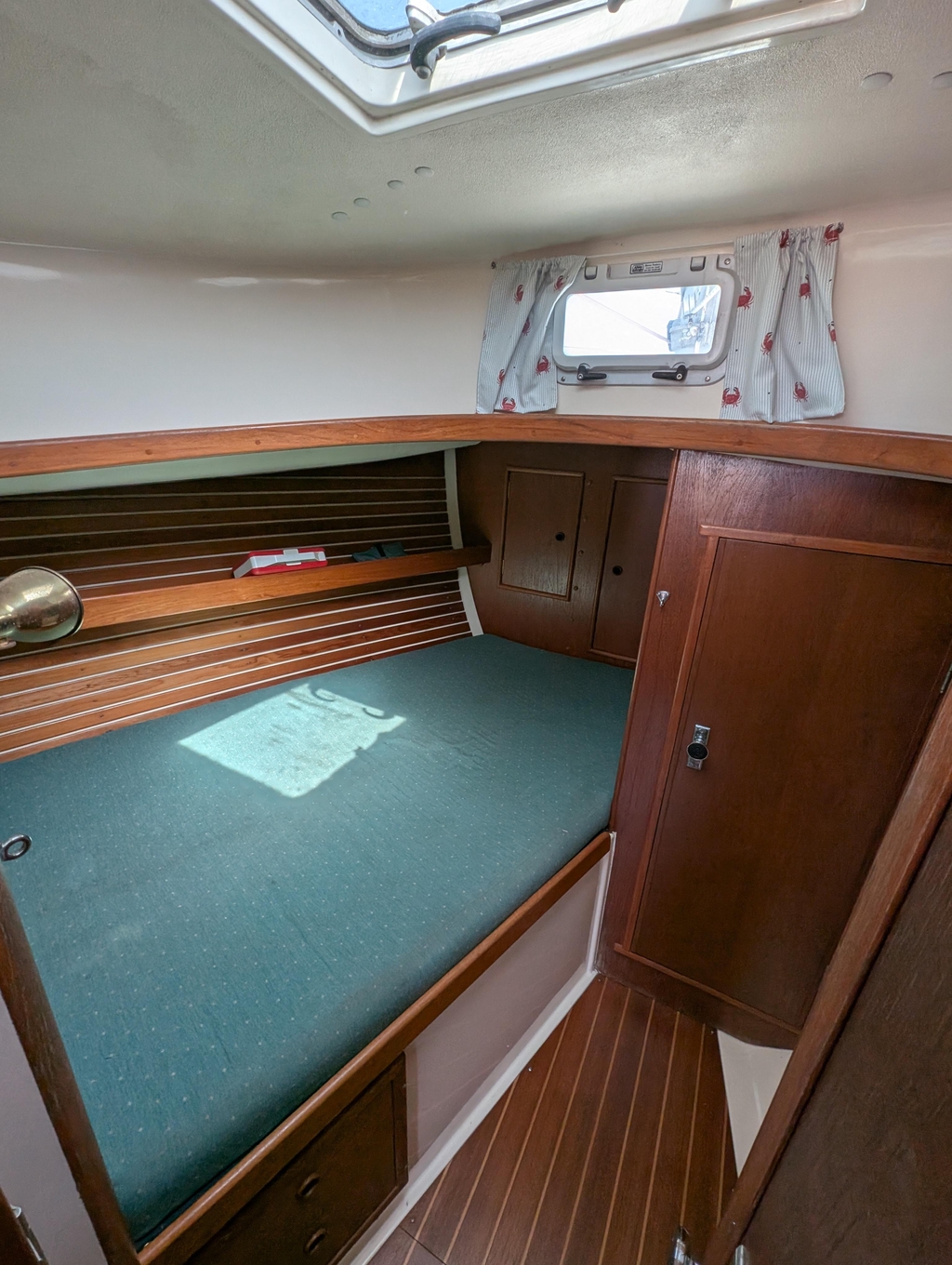
At first glance, she was very tired. The canvas work was well past its best, she needed a lot of cosmetic attention, and six years of sitting still had definitely taken its toll. But underneath it all, she had strong bones — exactly the sort of boat we love getting involved with. After two weeks of hard graft in the yard,polishing, plenty of cleaning, repairs and a fair amount of optimism, Scribbler scrubbed up surprisingly well and was soon back out doing what boats are supposed to do.
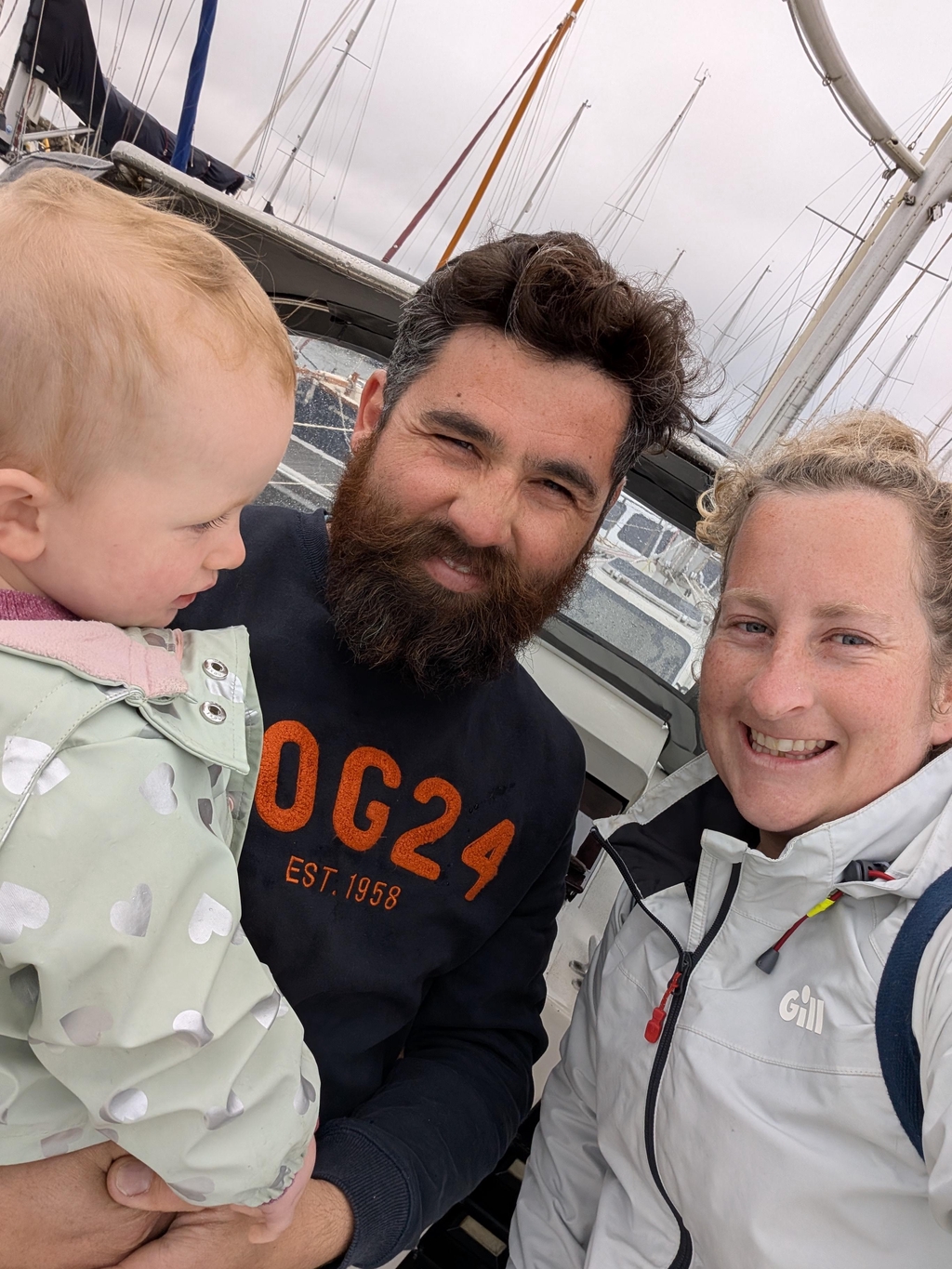
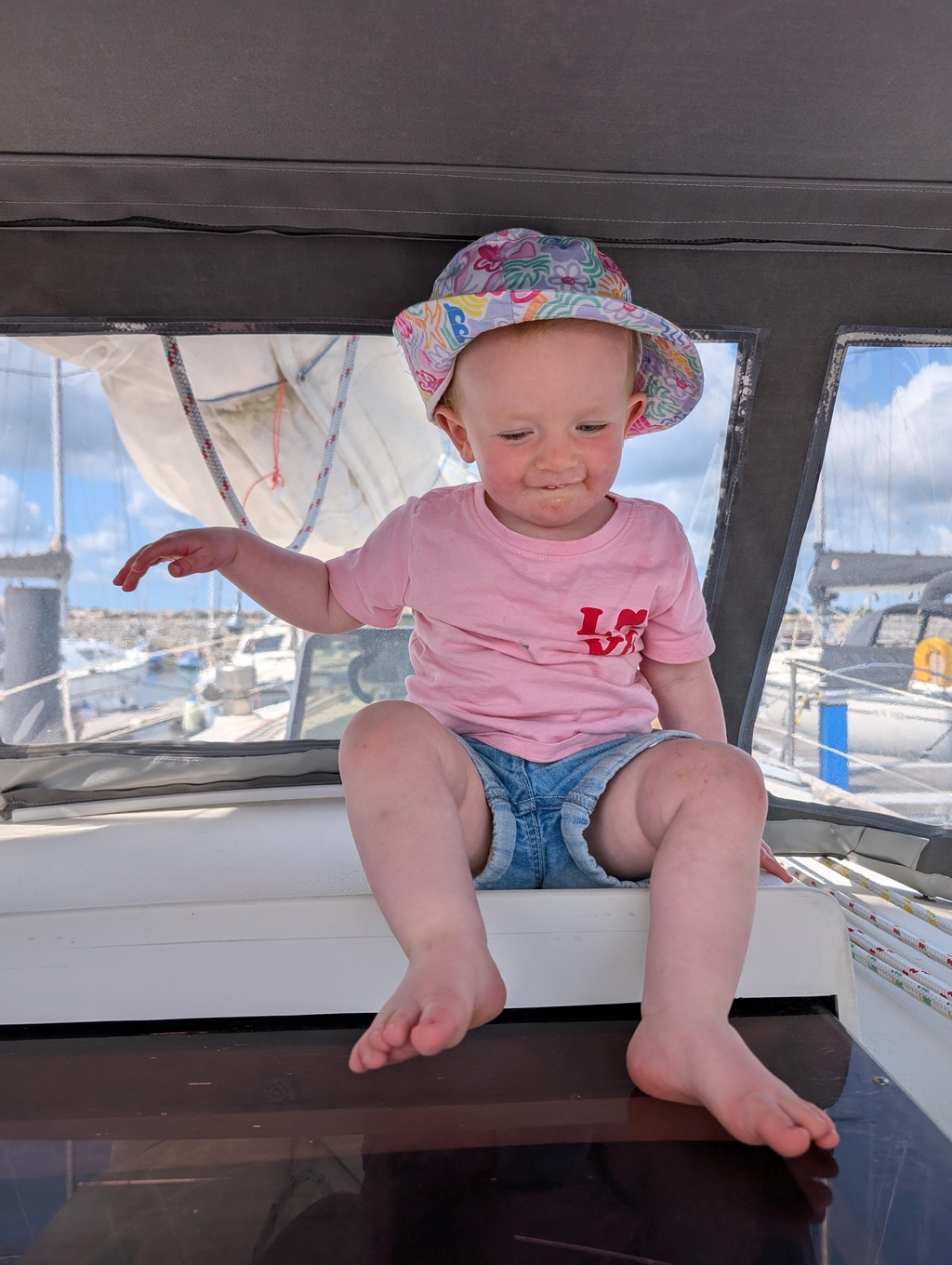
We spent the next three months we replaced all canvas, made her a new sprayhood, then really started adventuring onboard as a young family, which was exactly the reminder we needed that many older boats still have huge amounts of life left in them when given a second chance. In the end, we decided she wasn’t quite the right fit for our family long-term, so we put her back on the market — and before long she found her new custodians and headed off for her next chapter.
Projects like Scribbler are exactly why Dorset Boat Recycling Services exists. Not every neglected boat is scrap. Sometimes they just need time, elbow grease and somebody willing (or mad enough) to believe they’re worth saving ⚓♻️
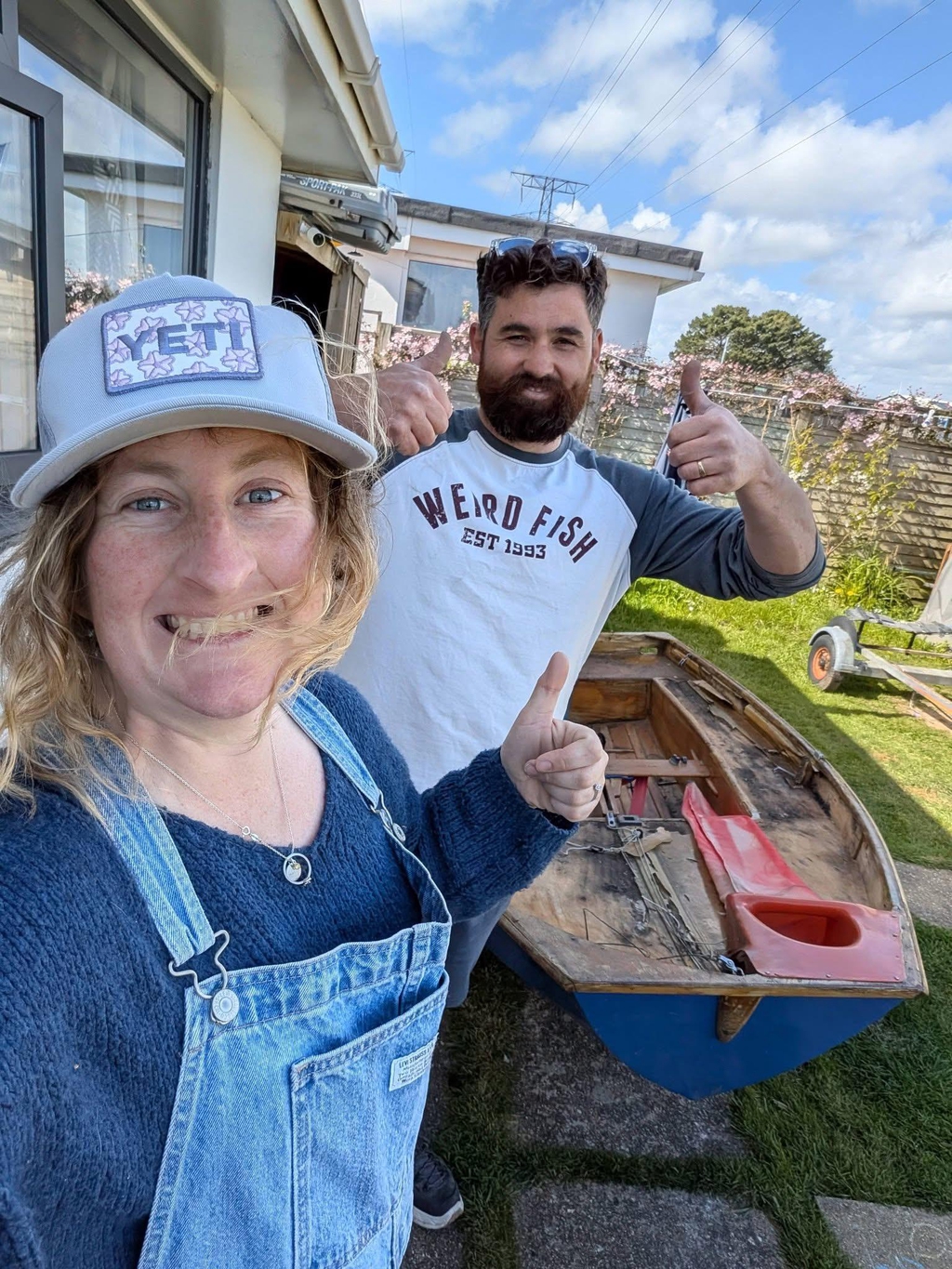
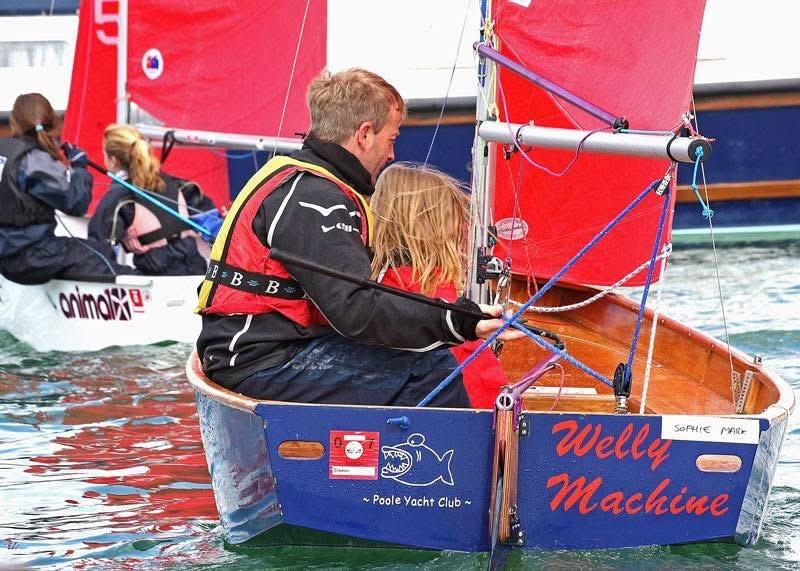
Our latest arrival might be small in size… but it’s packing a serious punch. Meet Welly Machine — a wooden Mirror dinghy, sail number 67210.
And she’s not just any project. She’s a blast from our past.
Around 20 (ish) years ago, Suzie’s family owned her back when Mirror racing at Poole Yacht Club was in full swing.
Tweenage chaos, questionable tactics, and one very respectable 9th place at the Nationals for Mark & Suzie — not bad going.
Welly Machine has spent plenty of time on dry land over the past few years… but not for much longer.
A big thank you to her recent custodians for getting in touch and trusting us to take her on — it’s never easy passing something like this on, and we don’t take that lightly 🩷
The mission? Bring Welly Machine back to life and get her on the start line for the Poole Yacht Club 2027 World Championships 🏁
Easy? Not a chance.
Worth it? Absolutely.
There’s always a moment in every boat project when the chaos suddenly stops.
The sanding dust clears.
The tools go back in their boxes.
And the boat quietly remembers what it was built to do.
For Rapscallion (R19 #17) that moment arrived this week.
After a winter of tinkering, parts hunting, muttering, and the classic “well… while we’re here we might as well fix that too” syndrome, she’s back where she belongs — floating, rigged, and ready to race.
When Rapscallion first appeared on the radar she was drifting toward that familiar category many small keelboats eventually reach:
“Someone should really do something with that…”
That awkward middle ground is exactly where Dorset Boat Recycling Services tends to appear. Because the truth is most boats aren’t worthless — they’re just worth more effort than money. Rapscallion was a textbook case.
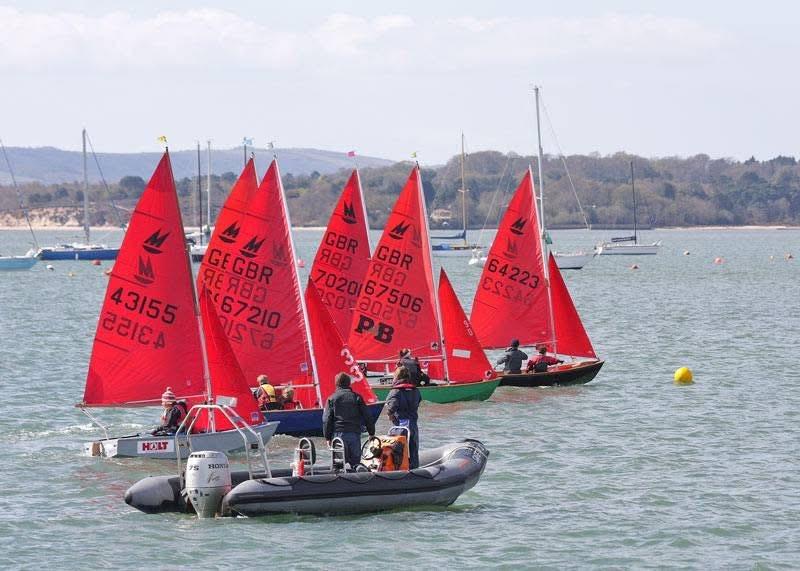
The R19 itself is a bit of Poole Harbour history. Designed locally in the late 1960s as a lifting-keel yacht for harbour racing and cruising, the class exploded at Poole Yacht Club in the 60s and 70s with 30+ boats racing regularly. Nearly 60 years later the fleet is still going strong, with 25+ boats turning up through the year, making it the club’s strongest one-design fleet.
The winter rebuild wasn’t glamorous. No dramatic TV reveal — just the usual resurrection process:
• stripping years of paint and antifoul
• fixing the inevitable “that shouldn’t look like that” discoveries
• refreshing systems
• hunting parts last seen during the Thatcher administration
• and drinking a worrying amount of tea while staring at things.
Nothing dramatic — just hundreds of small jobs slowly turning a tired hull back into a sailing boat.
And then suddenly…
Rig up.
Sails on.
Crew aboard.
A few months ago she looked like a permanent yard ornament.
Now she’s lining up on the start line with boats that never left the water.
Not bad for a boat that was one step away from the scrap pile.
Another boat saved.
Another berth freed up somewhere.
Another small piece of sailing history still doing its job.
Now the real test begins.
See you on the start line. ⚓
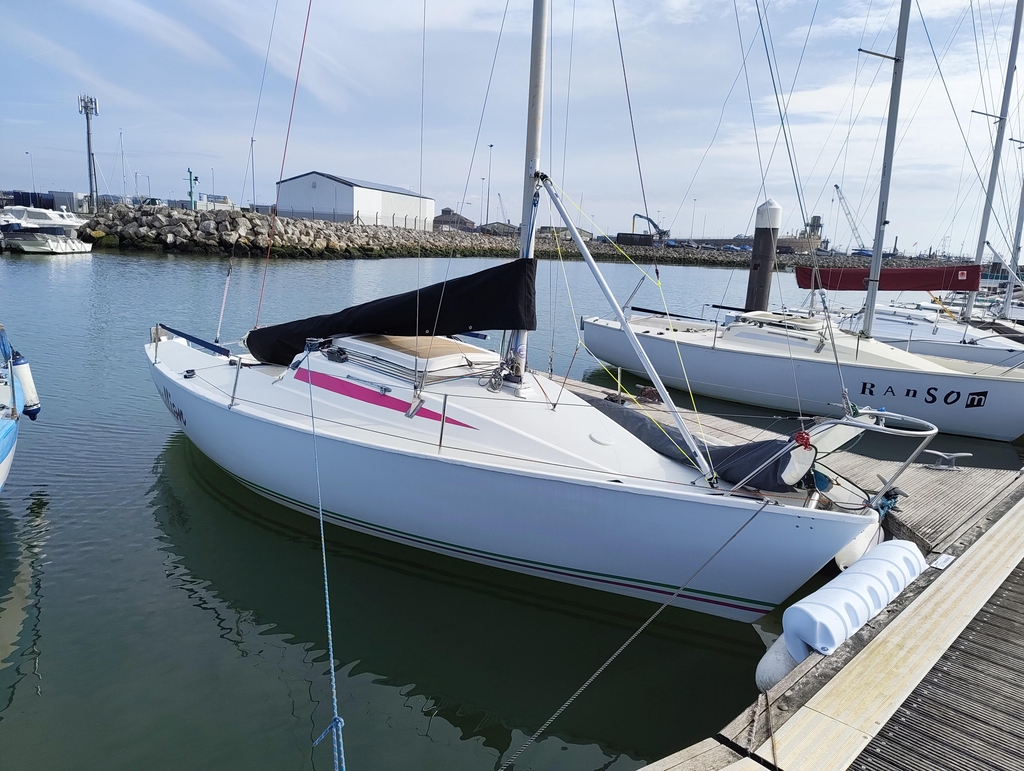
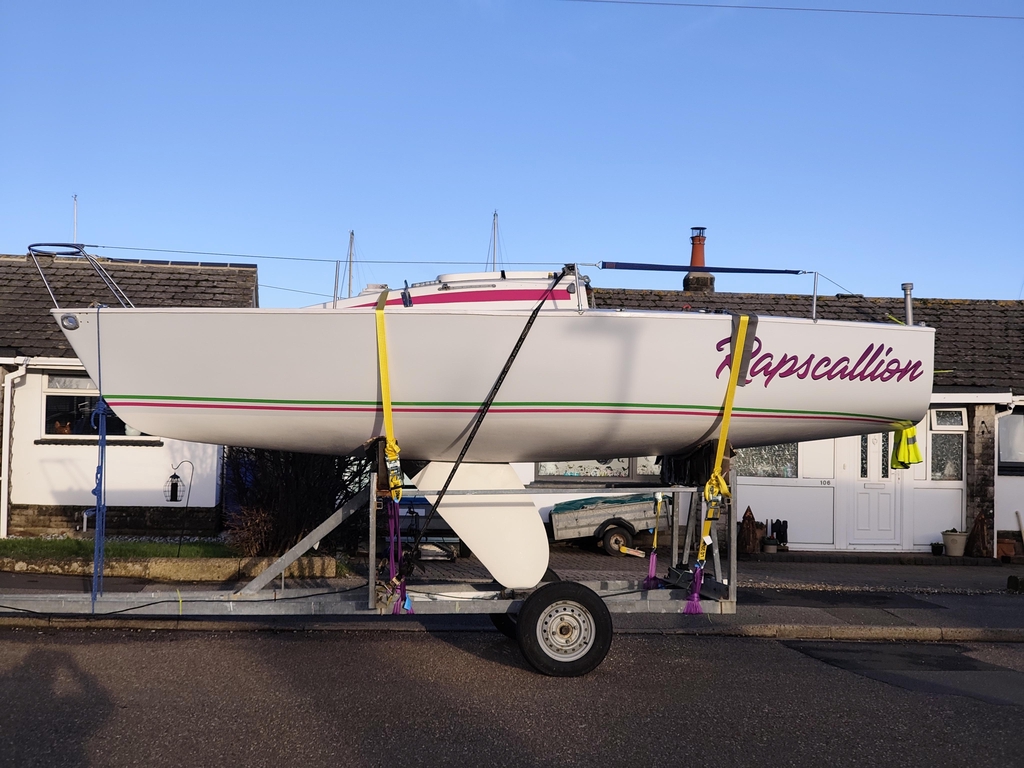
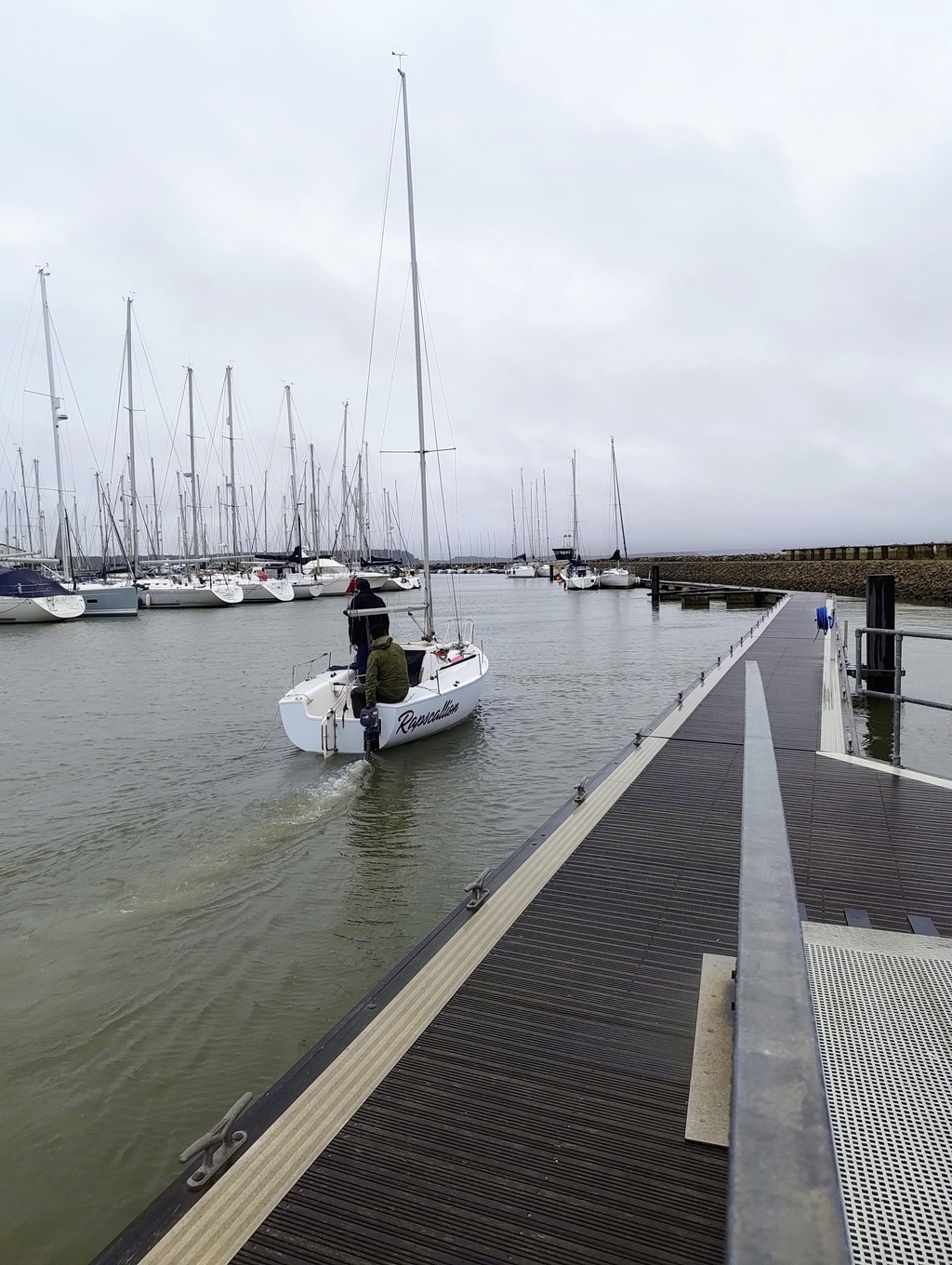
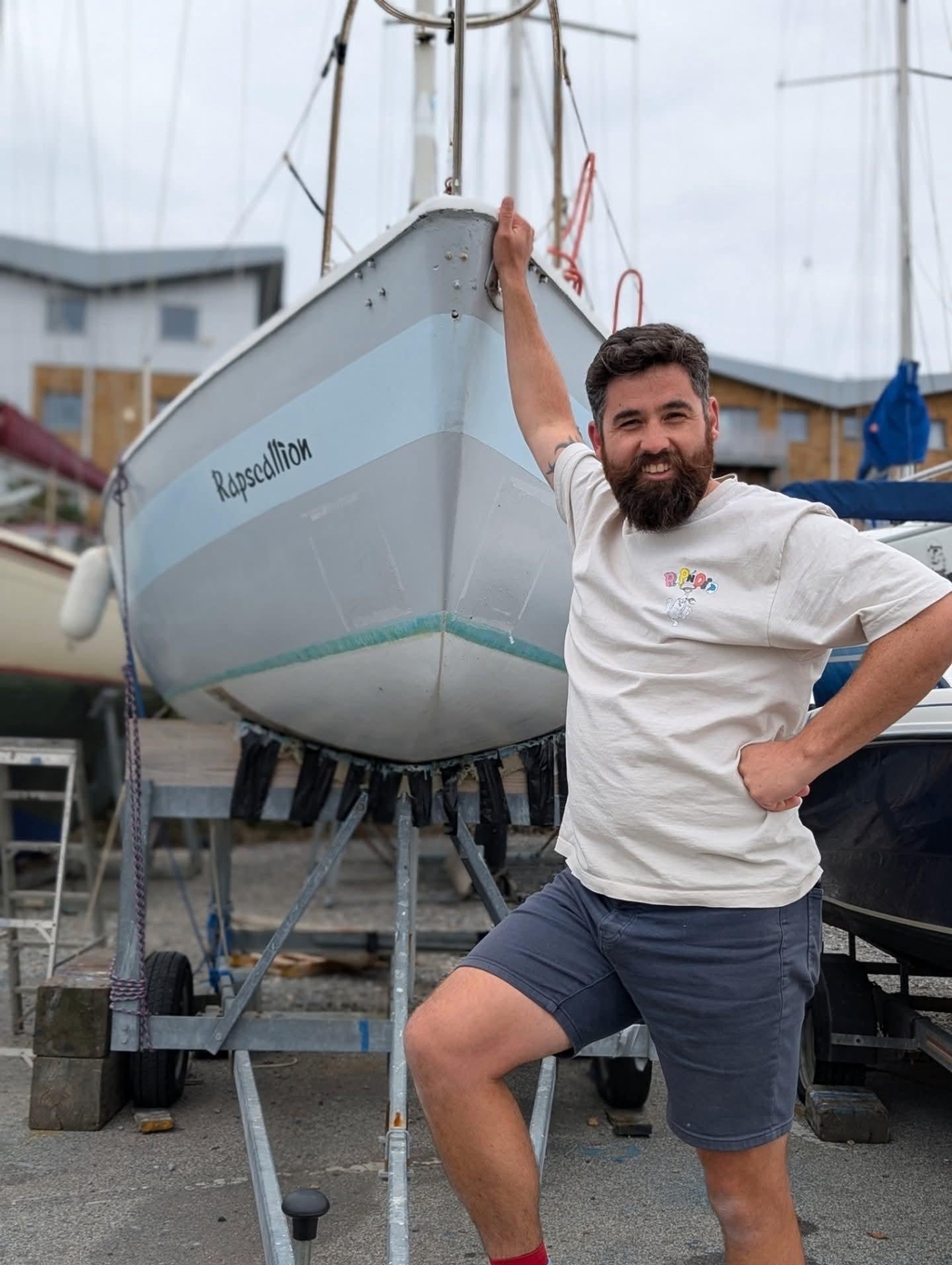
Started from the bottom back in October — and now we’re nearly there.
This R19 arrived well-sailed and well-rested, having spent some time laid up ashore. Structurally sound, full of history, but very much in need of a proper recommission if she was ever going to line up with the rest of the fleet again.
We saw a solid Poole Yacht Club one-design boat worth saving — and took it on as our final restoration-style project of 2025.
Since October, the focus has been simple and practical:
Strip back properly
No hiding tired areas
Repair and reuse wherever sensible
Strengthen what matters and deal with what doesn’t
To the previous owners — with thanks:
A genuine thank you to the previous owners for trusting us with this project, passing the boat on for a small sum, and giving us the opportunity to bring her back into racing condition. This is simply the next chapter in a well-sailed life.
She’s not quite on the start line yet, but she’s close — lighter, sharper, and starting to feel like an R19 again. With the final touches underway, the countdown to getting her back on the water has well and truly begun.
Projects like this are exactly why Dorset Boat Recycling Services exists: keeping good boats sailing, lowering the barrier to racing, and proving that repair still beats replace.
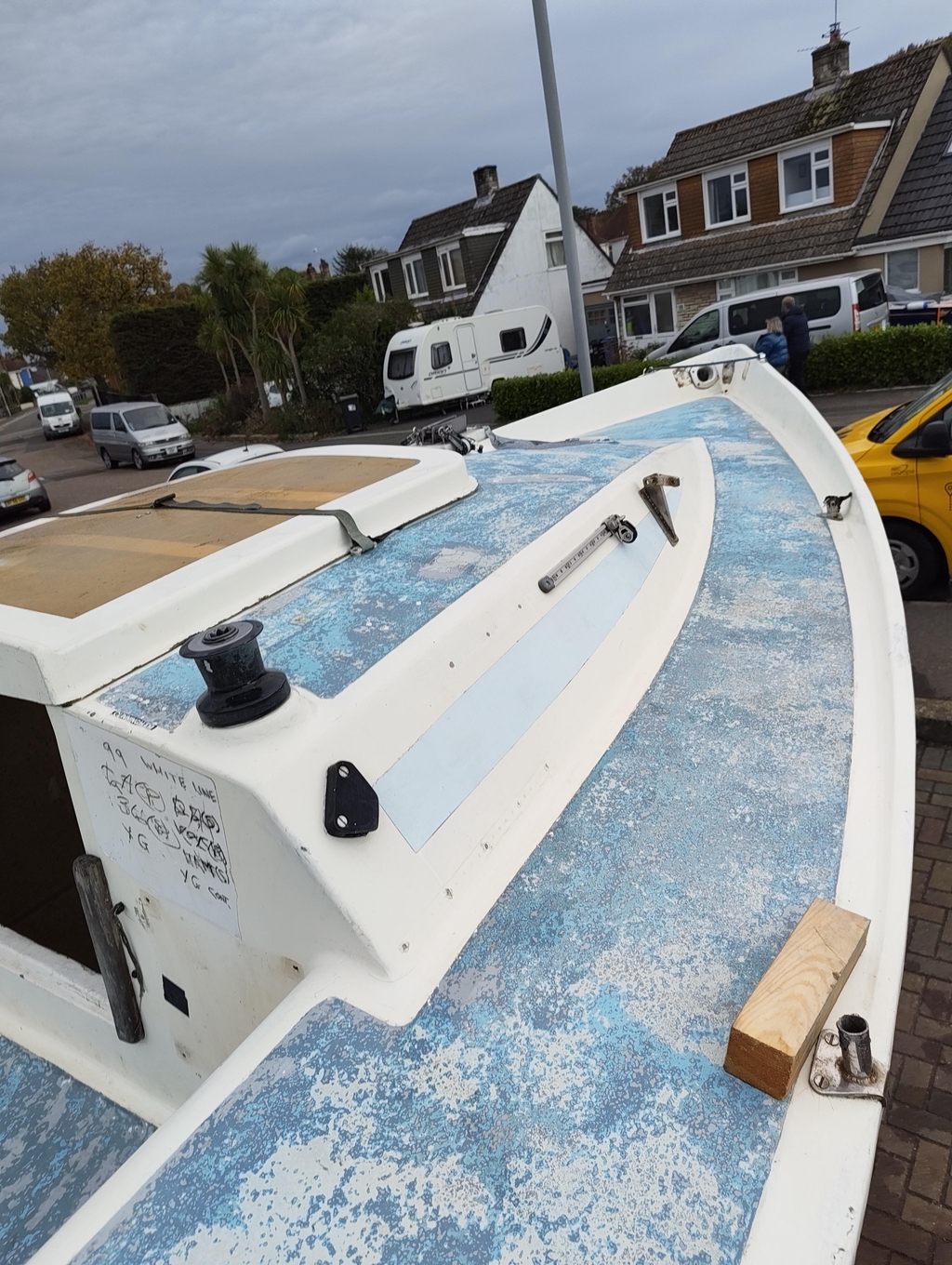
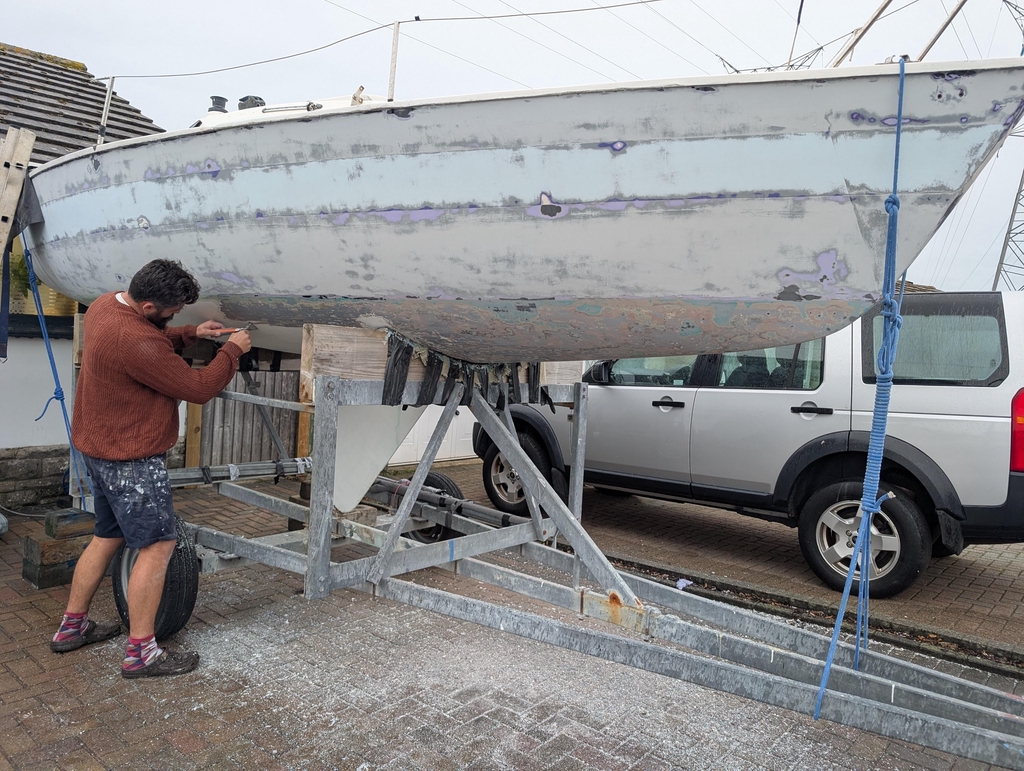
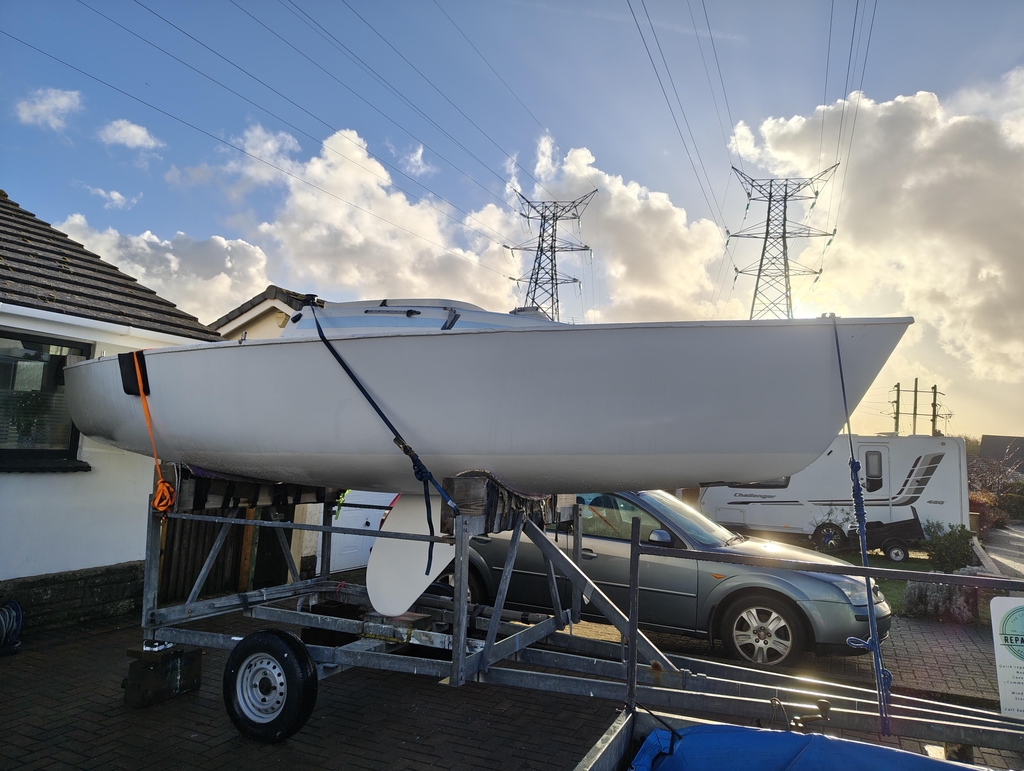
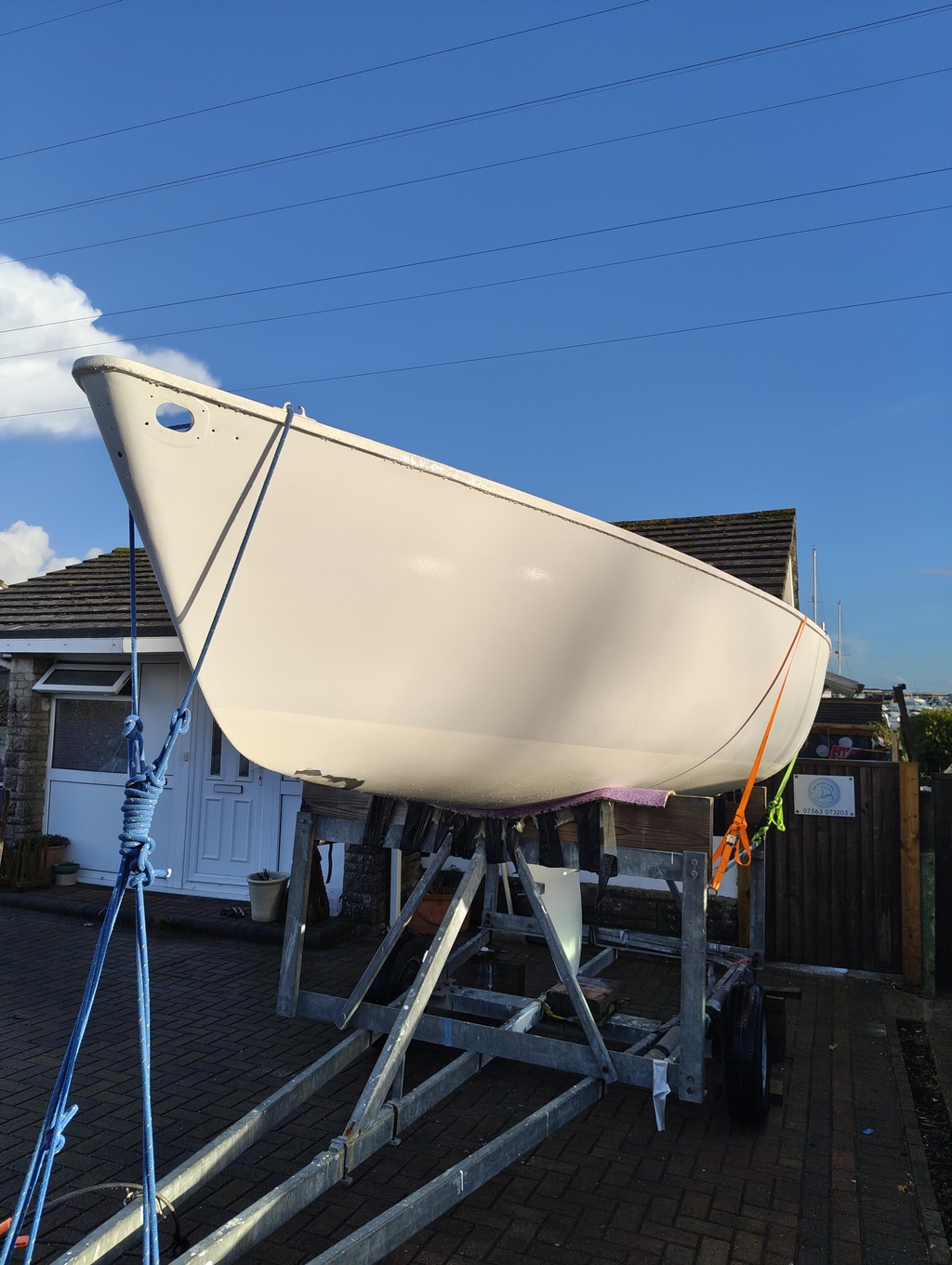
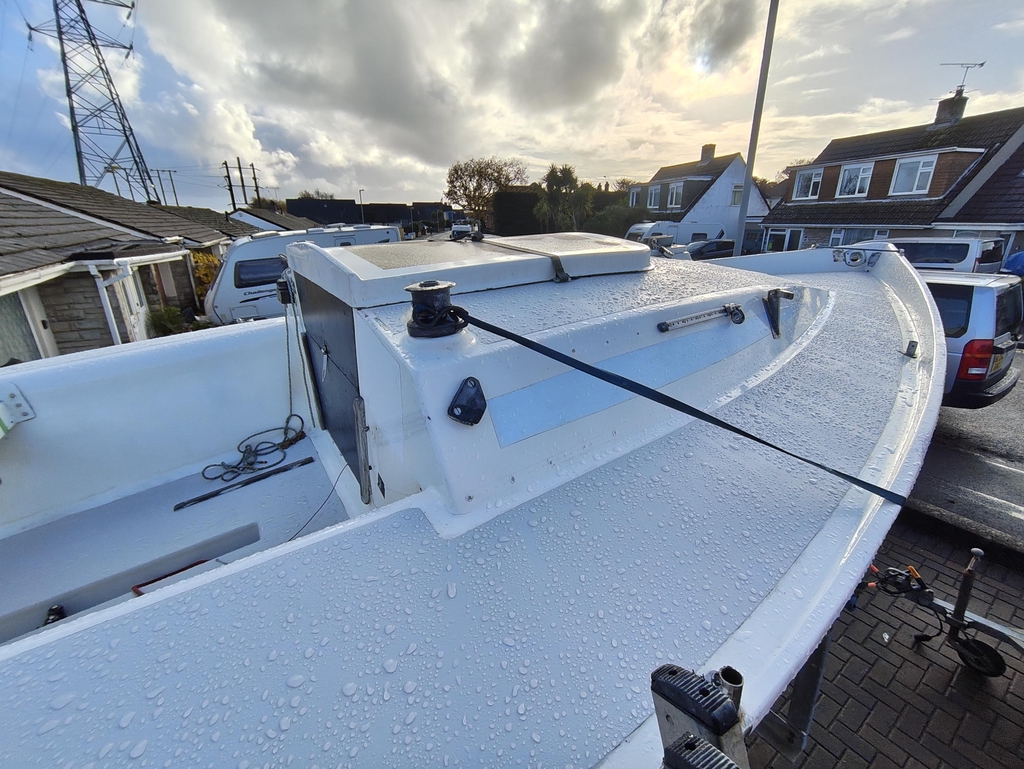
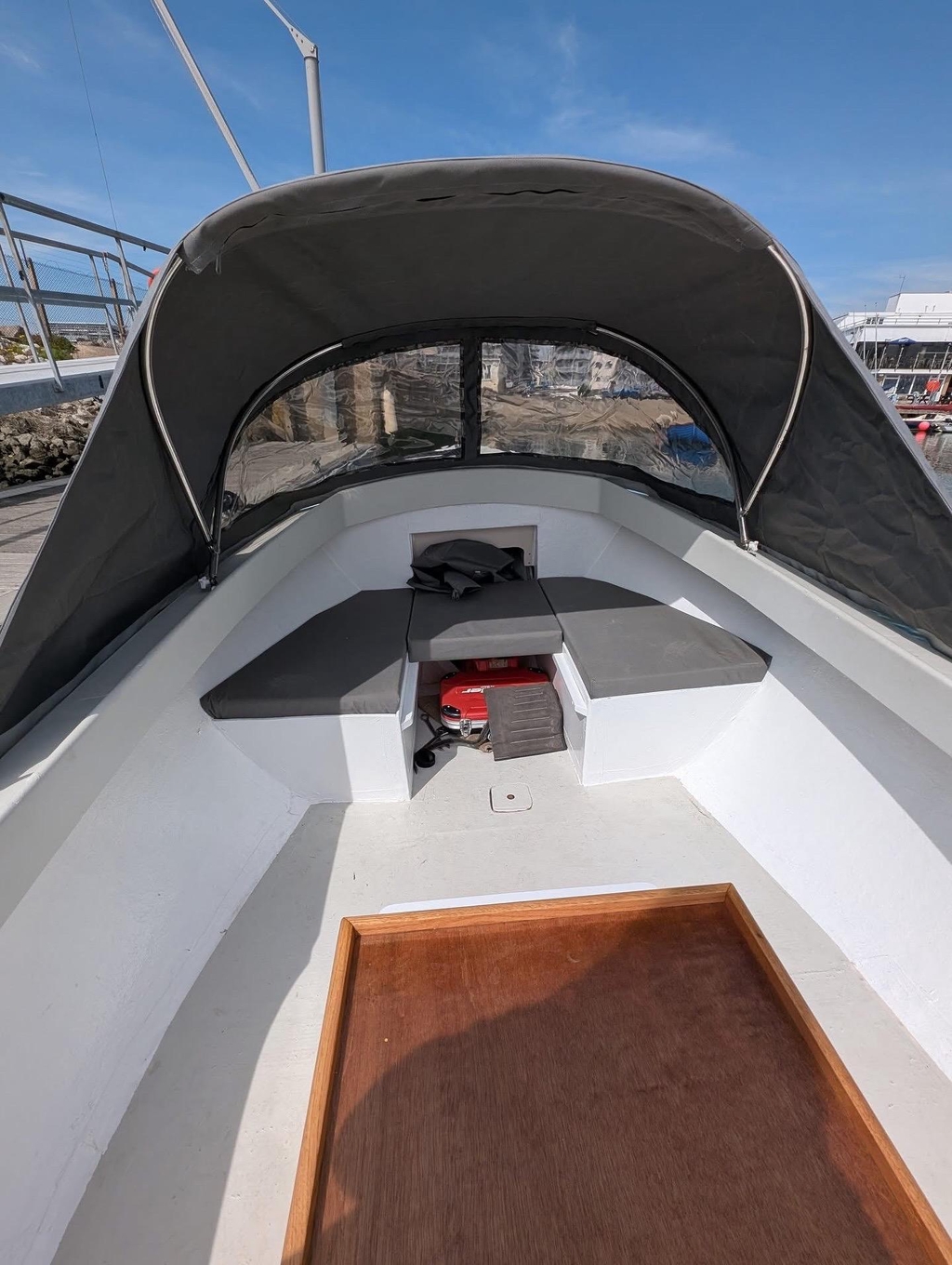
Last winter, tucked away at the back of the yard, sat a small GRP day boat that most would have written off. Her gelcoat was dull, fittings tired, and years of neglect had left her closer to the scrap heap than the sea. But we could see there was life left in her. That’s how Little Molly became our winter project.
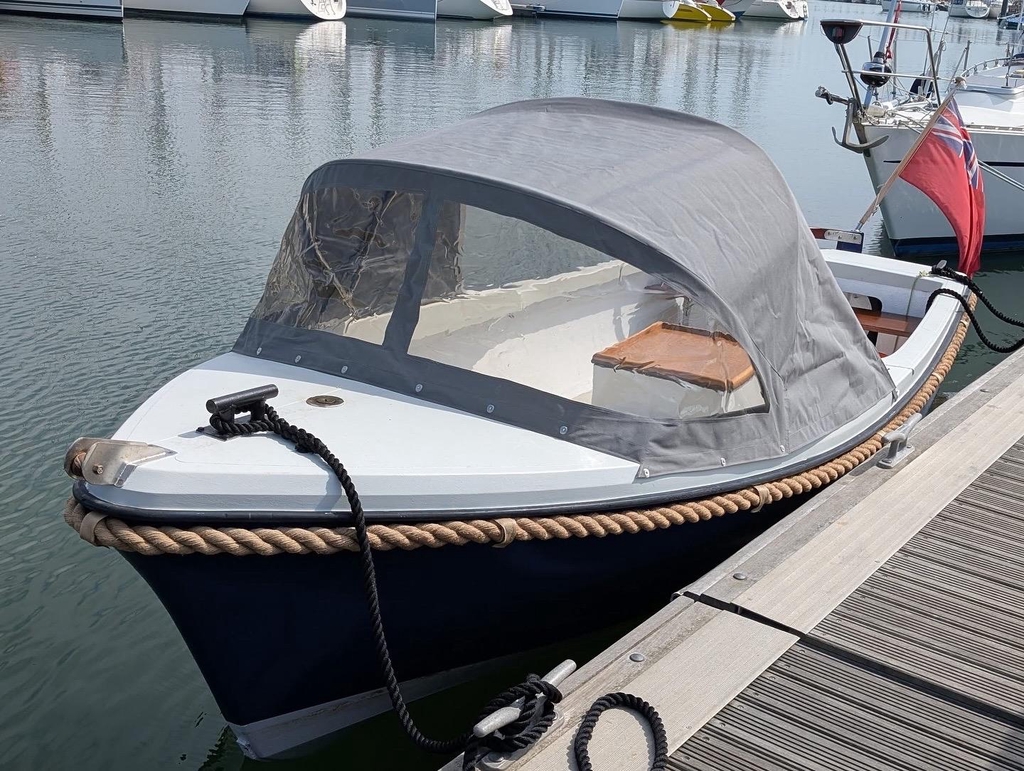
At first, the to-do list felt endless — cleaning back years of grime, repairing cracks, fitting the engine, replacing worn gear, and giving her hull the care it had been missing. Bit by bit, we stripped her and her engine back and built her up again. A proper deep clean, new paintwork where it was needed, fresh woodwork & upholstery, covers from our sister company - The Cover and Sail Repair Shop and the odd creative fix here and there brought her back to form.
What started out as a gloomy little hull slowly transformed into something with real charm. By spring, she looked like an entirely different boat — bright, tidy, and eager to be out on the water again.
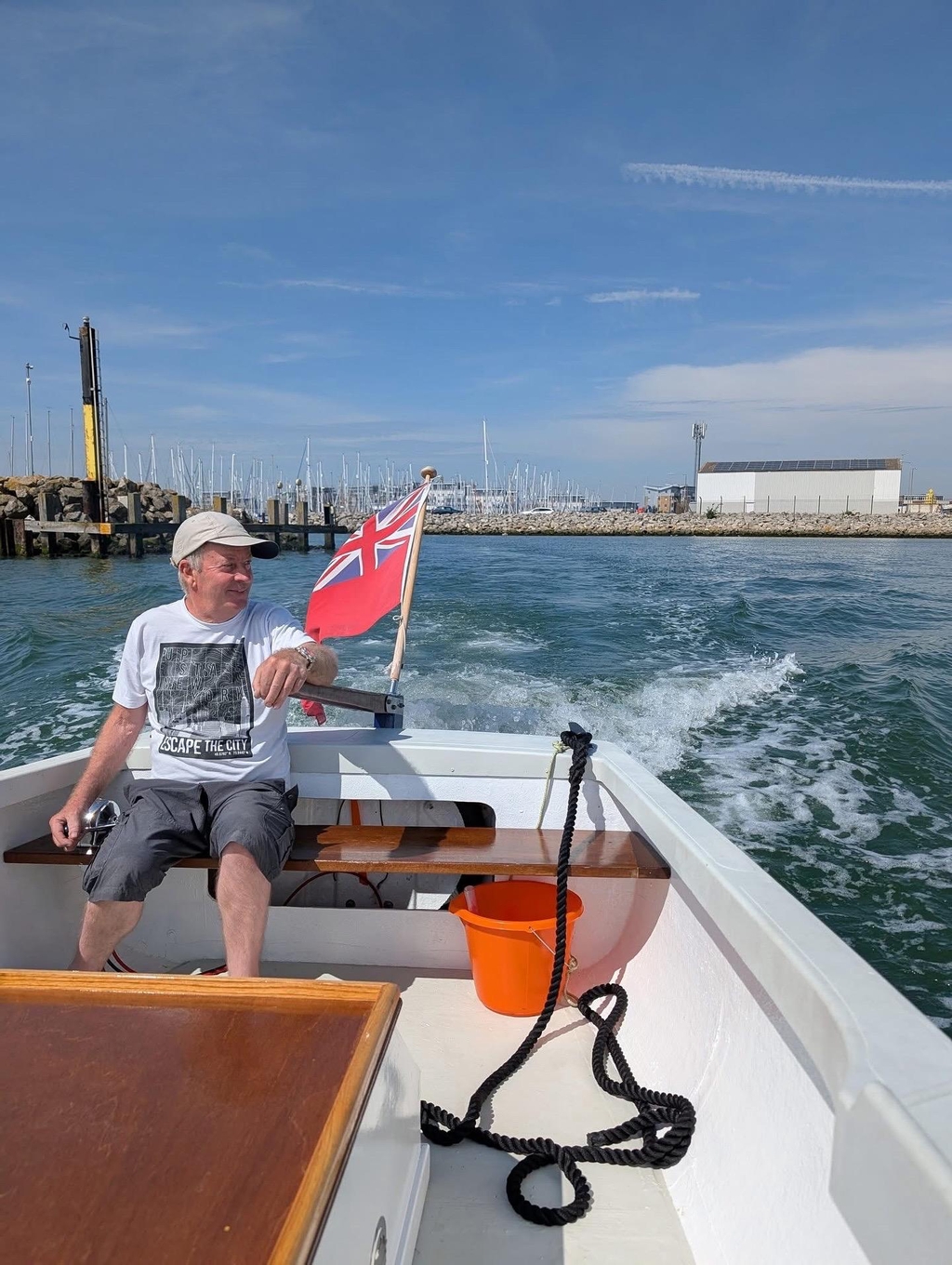
And when she finally relaunched in Poole Harbour, she turned heads. From an almost-forgotten GRP wreck, Little Molly had become a true belle of the harbour — ready to bring joy to her new owners and prove that even the humblest of boats can shine again.
For us, this is exactly what boat rehoming is all about: saving boats from being lost, and giving them the chance to keep their place on the water.
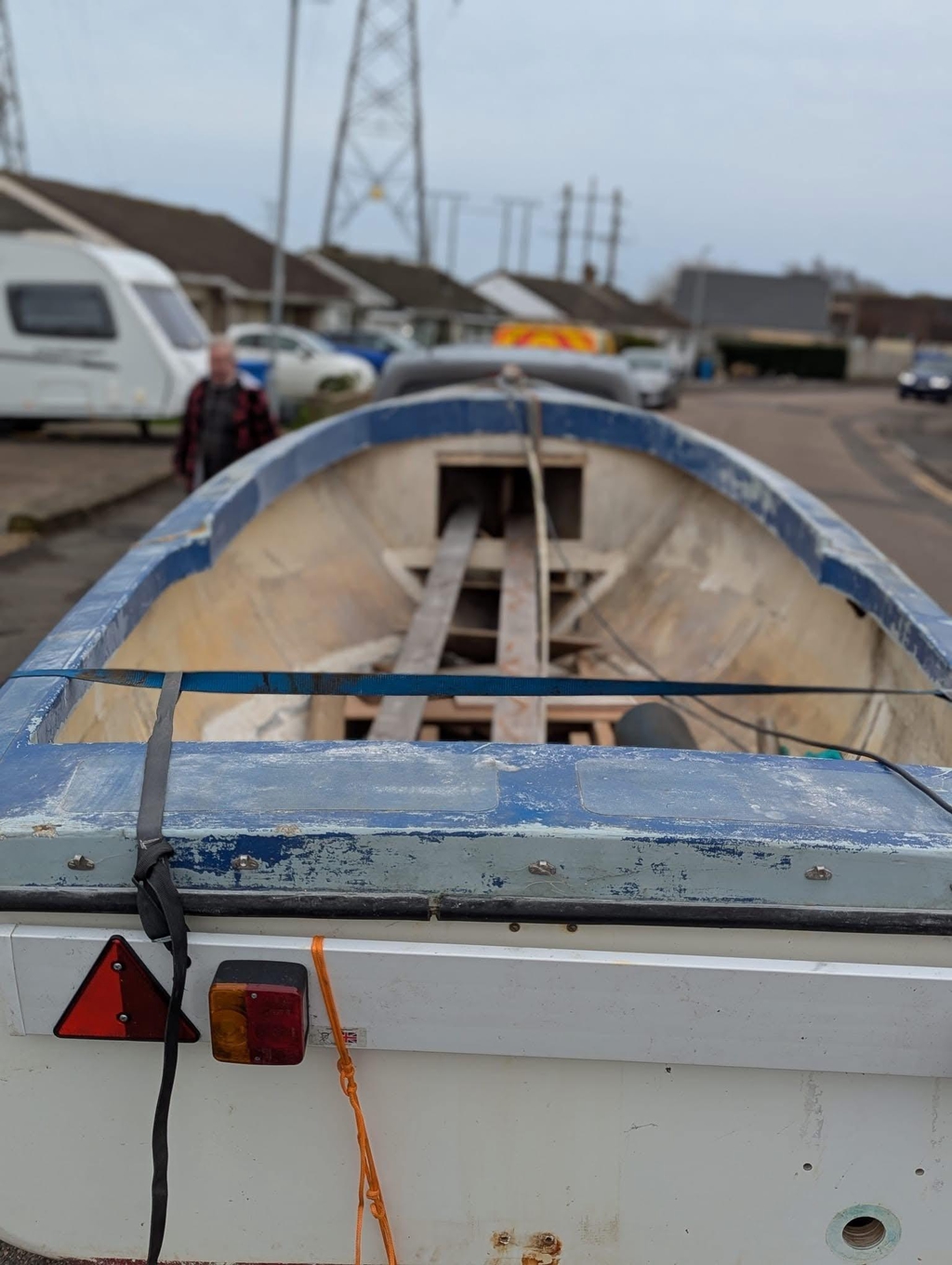
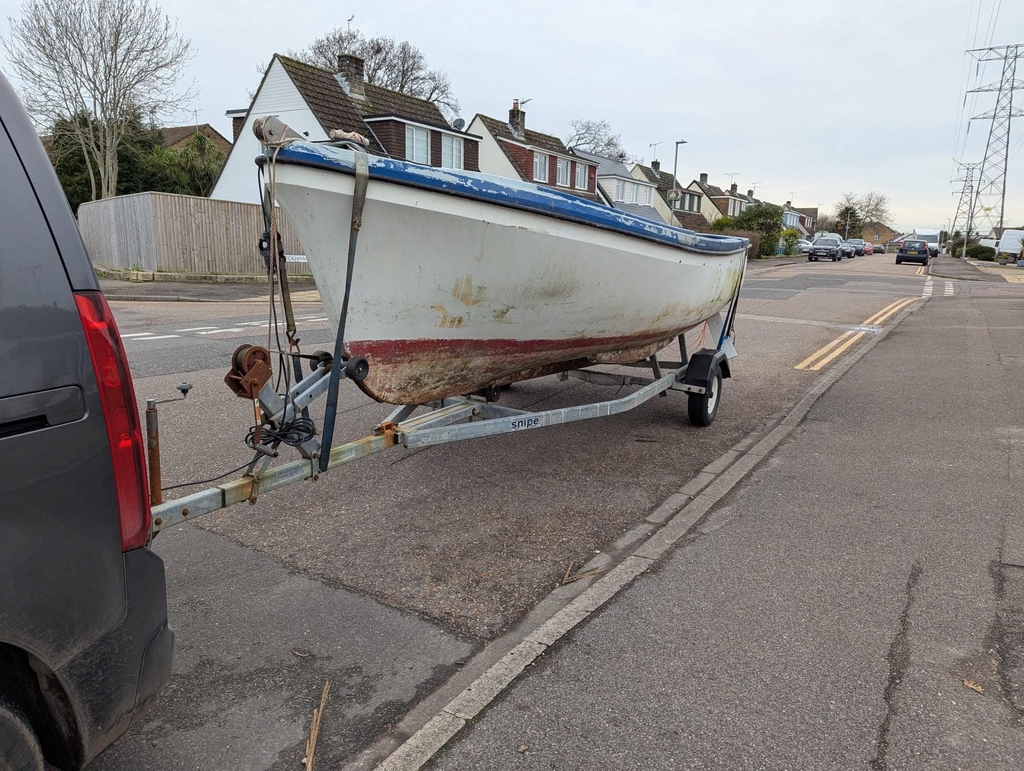
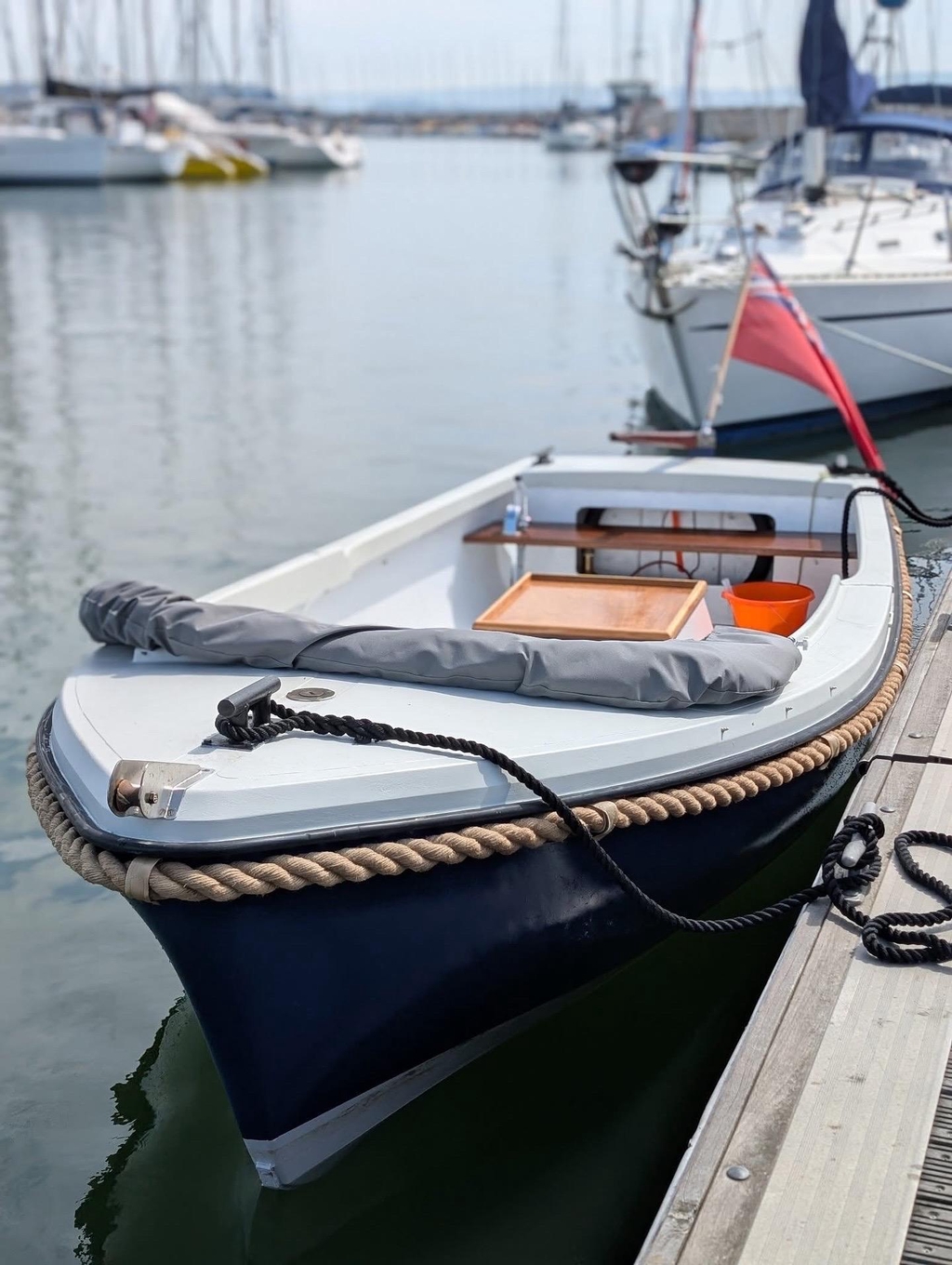
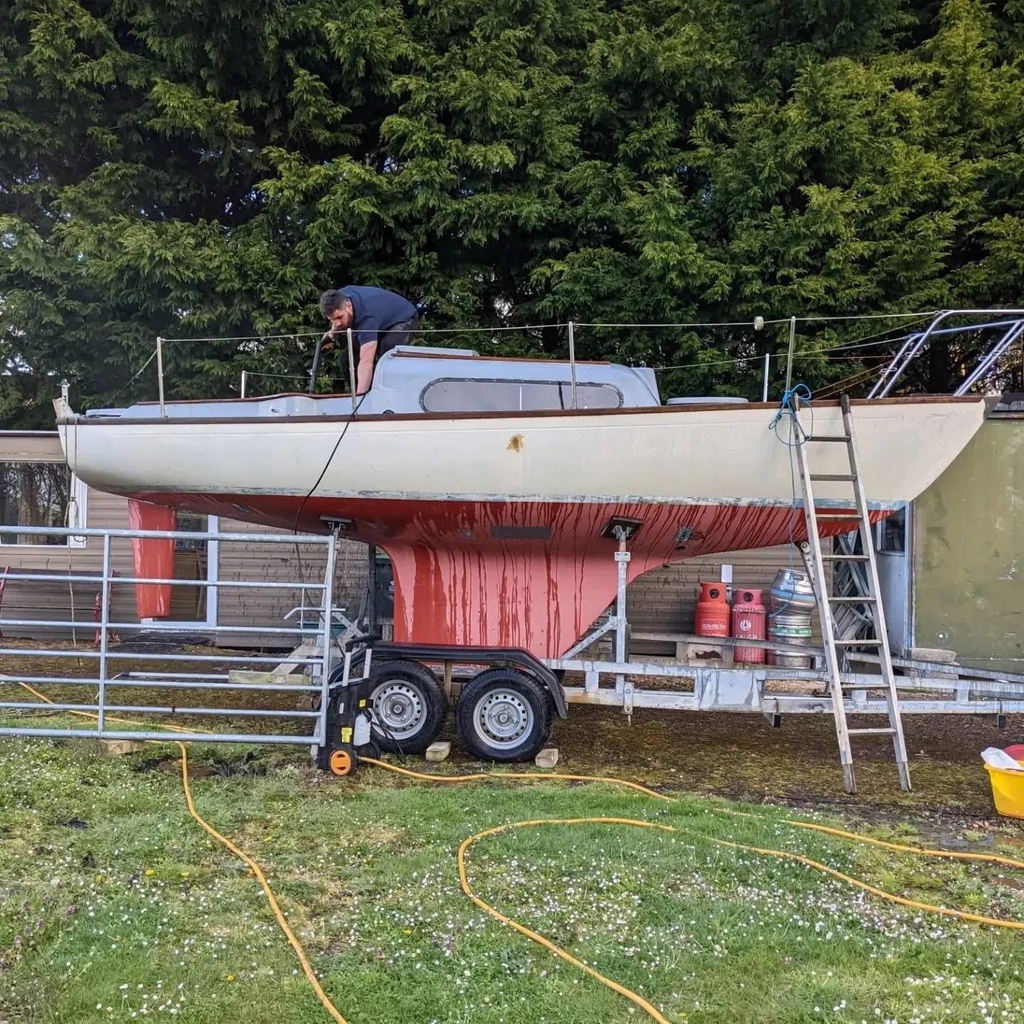
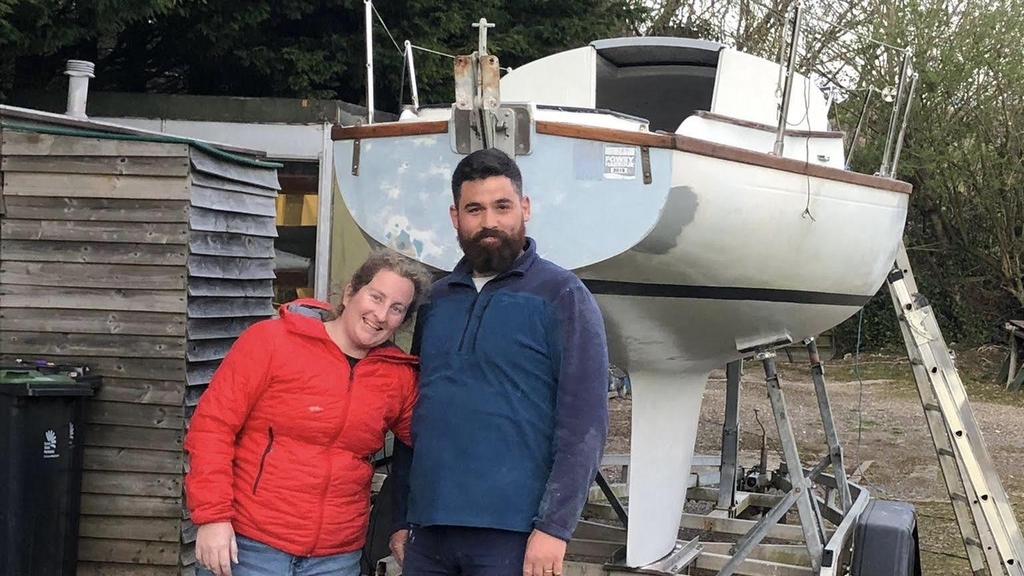
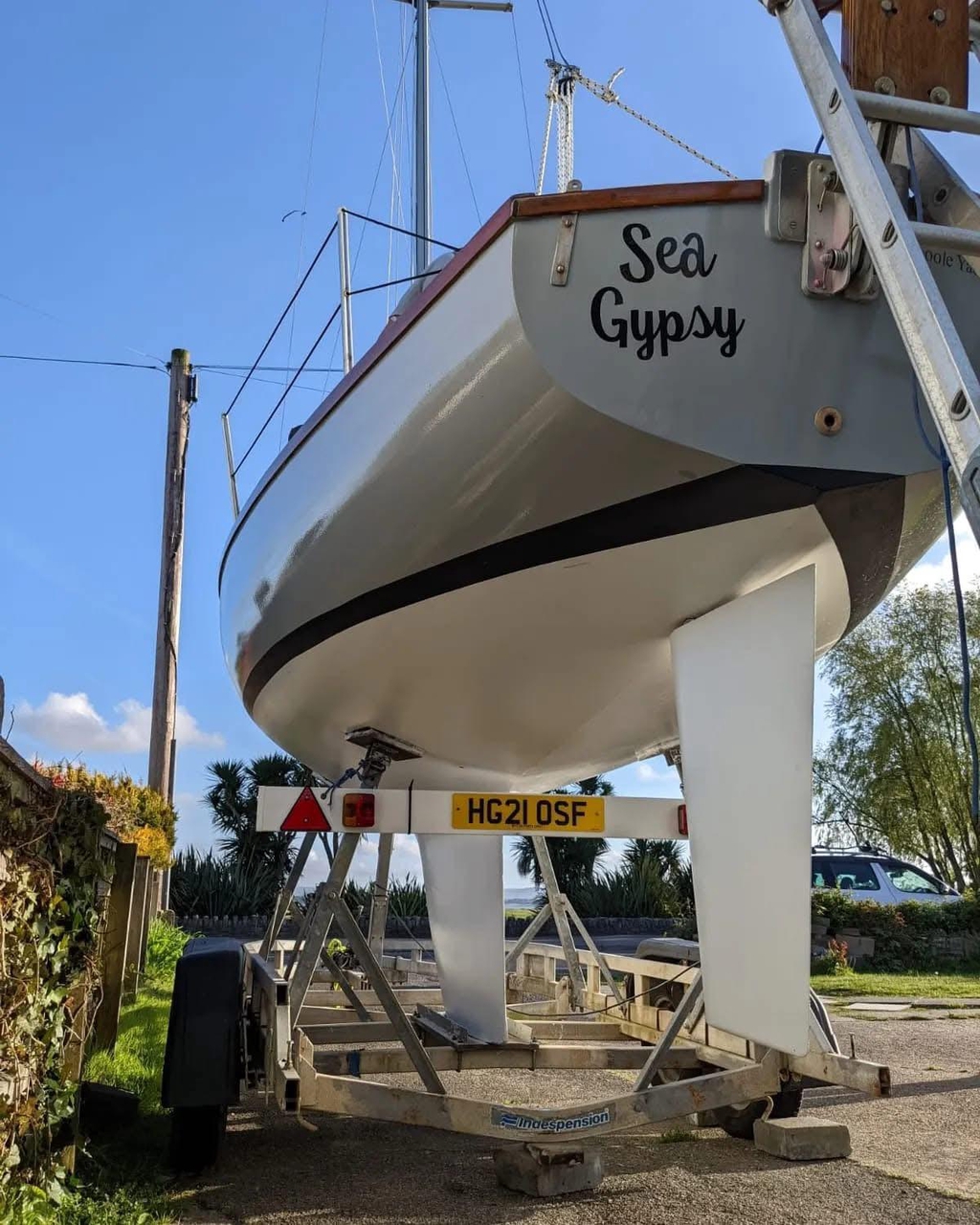
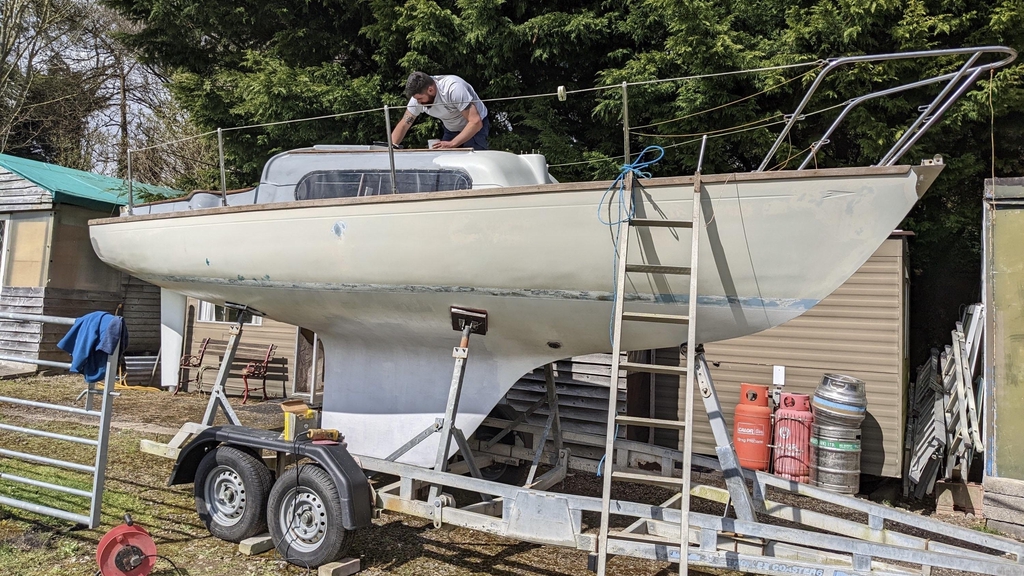
Four years ago we finished our first ever project — Sea Gypsy, a 1969 Van De Stadt Splinter 21,… the £600 race boat that absolutely nobody sensible would have bought.
She also quietly started Dorset Boat Recycling Services — because once you rescue one “paused” boat, you notice them everywhere.
Most boats don’t die from rot.
They die from people putting the job off one more year.
We spotted her on eBay back in 2019 looking very much like she was approaching “lawn feature” status. We towed her home anyway, where she then spent a perfectly respectable two-year holiday in the yard while we waited for a berth, found time, found motivation, and slowly accepted we now owned a project.
When 2022 finally arrived we stopped talking about fixing her and actually did it — four weekends of “quick tidy up” that somehow became rigging, paint, varnish, sails,
Uncovered another job, which uncovered three opinions and a trip to the chandlery.
A month later she went in the water… and just sailed.
No leaks. No drama. Suspiciously functional.
Since then she’s been raced religiously — Tuesdays in the summer, Sundays in the winter — and turned into a properly competitive little boat. She’s also quietly become the family escape pod for pottering about when we pretend we’re not thinking about racing.
Our club now has about 8–10 of them on the start line, so there’s always someone to chase or someone asking why we were over early.
Buying her was a terrible financial decision.
But four years later we’re still sailing her, still fixing tiny things that don’t matter, and out on the water enjoying ourselves 🩵